Tag: magic
-
Ditch Certainty: Why Metaphorical Tarot Readings Matter
The post emphasizes the importance of metaphorical tarot reading over predictive certainty. Certainty disempowers clients by presenting fixed outcomes, while metaphor invites self-exploration and personal agency. Metaphorical interpretations encourage deeper understanding and growth, fostering a collaborative environment that empowers clients to create meaningful change in their lives.
-
Why Do Academics Dismiss Tarot? A Critical Examination of Rational Bias
This week, the author critiques the dismissal of Tarot as mere superstition by academics. Highlighting its cultural significance and psychological benefits, the piece argues that Tarot serves as a reflective tool bridging rational and intuitive knowledge, promoting introspection and meaning-making rather than predicting the future. It advocates for more nuanced scholarly engagement with such practices.
-
The Psychopomp Archetype in Fairy Tales, Folklore, and Tarot
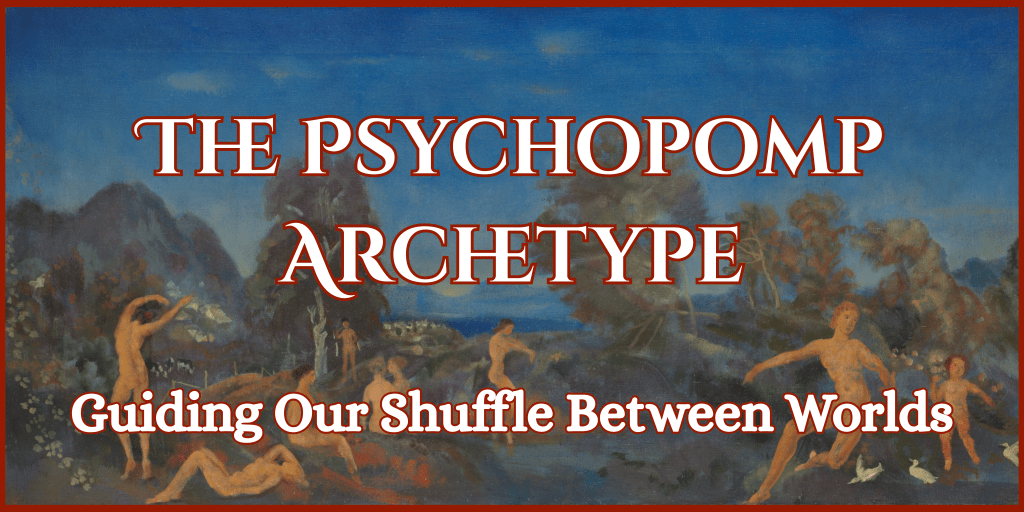
This week, the focus is on the archetype of the psychopomp, a guide that assists souls through transitions such as life and death. This figure appears in mythology and tarot as a mediator between worlds, helping navigate change and loss. Understanding psychopomps highlights humanity’s need for guidance during profound transformations.
-
Meet Your Tarot Card of the Year (It’s Stuck With You for 12 Months)
In the Lab, Sibyl guides cartomancers in exploring a card of the year, which serves as a personal theme and companion throughout the year. This practice encourages self-discovery, providing insights into life’s complexities, promoting authenticity, and enhancing understanding of one’s journey. Through monthly reflections and engagement, deeper relationships with the Tarot are fostered.
-
Should You Tell Them You Read Tarot? A Guide (& Spread) for Navigating This Decision

The content discusses the dilemma tarot readers face when deciding whether to share their practice with family and friends. It emphasizes the importance of personal choice between privacy and openness, encouraging readers to assess relationships, motivations, and boundaries before disclosing their tarot involvement. Ultimately, it affirms the right to choose what to share based on…
-
Quieting Your Mind: A 4-Card Oracle Spread

This week’s short post is an adjunct to our most recent video, by acolyte Amelia, on practices and decks for “Quiet Tarot.” So if you, too, are overwhelmed by frenetic seasonal noise, be sure to take advantage of the beautiful way in which her insights provide a foundation for the spread below. You can find…
-
Divining the Underworld with Hades, Persephone, & Hel: Myth & the Gothic Series
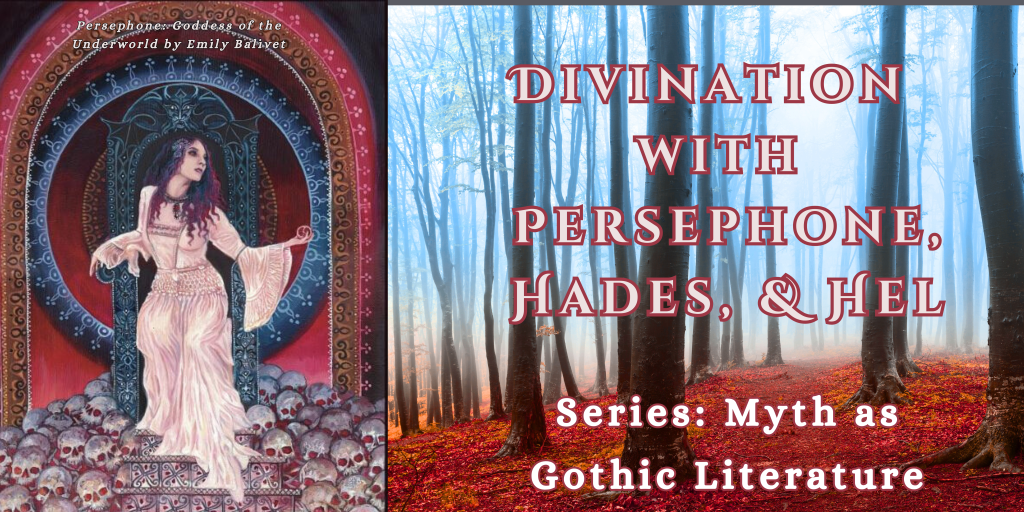
This post explores the connections between Gothic literature and mythology, focusing on divine figures like Hades, Persephone, and Hel. These deities embody complex themes of death, transformation, and moral ambiguity that resonate within Gothic narratives. The ongoing series promises to uncover more mythological examples, highlighting their significance in examining the human experience.
-
Sacred Monstrosity: Facing Inner Darkness with Myth (+ Journal Prompts & Tarot Spread)
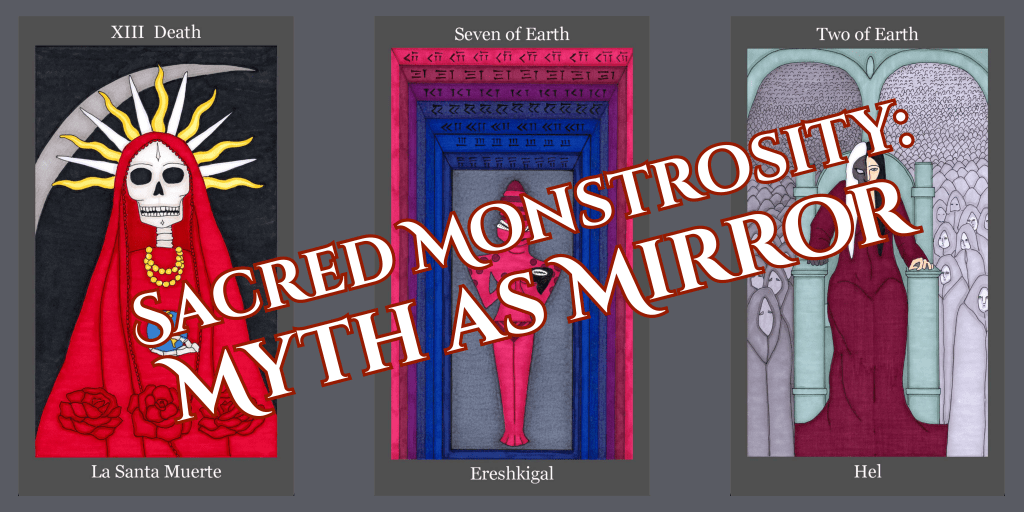
As the season of monstrosity continues, we have a second musing on this theme, contemplating the journey to integrating the grotesque, gruesome, dreadful image we find in the mirror. (You can find the first pass here. This week, we specifically invite myth to function as that mirror. What breadth of god and goddess archetypes support…
-
Monstrosity and Wholeness with Tarot: The Gifts of the Disowned Self (+ Journaling Prompts & Tarot Spread)
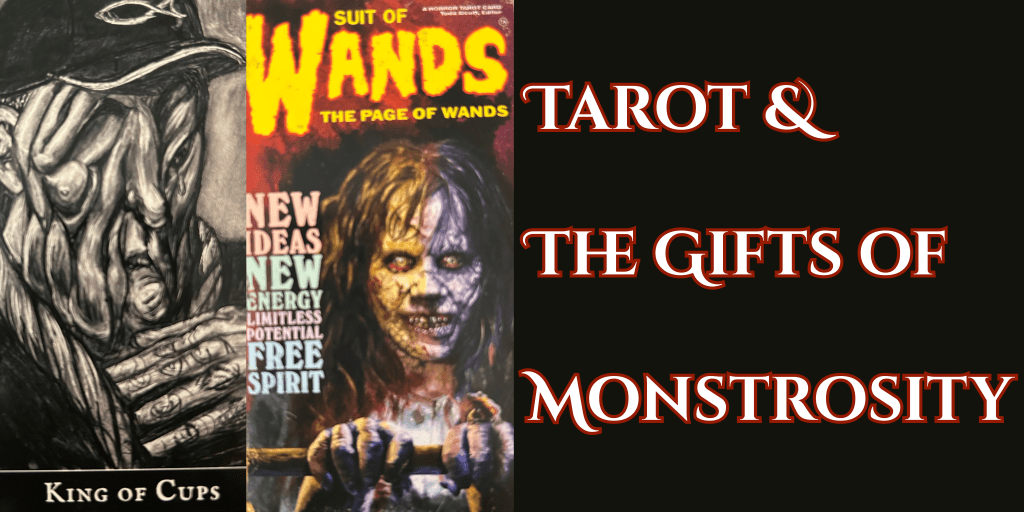
It is the season for celebrating monsters, or so the greeting cards say. And so here we are, considering the mask of the monstrous: what it is, why it serves us, and how to heal by embracing it. I’ve mused before about my own journey with my patroness Medusa, the powerful and dreadful, and also…
-
Inner Child Healing with Fairy Tales and Tarot

The human psyche thrives on stories that connect to deeper emotions, particularly regarding inner child healing. Integrating fairy tales and tarot facilitates understanding childhood wounds and fosters transformation. By exploring personal narratives through tarot symbolism, individuals can reconnect with their authentic selves, addressing trauma while embracing creativity, resilience, and joy.
 Sibyl's Lab of Cartomantics