This week, I’m trotting out my Ph.D. for some polemical discourse, appealing to whatever credibility it affords me. Why? Because, writing from the Cartomantic Lab, I have something to say to the high-minded skeptics ready to roll their eyes at the superstition of it all. (And if you’re up for the argument but are in more of a watching-and-listening kind of mood, check out the YouTube video on this same topic.)
For centuries, Tarot has occupied a peculiar position in the cultural landscape—simultaneously embraced by millions of practitioners worldwide and dismissed by the academic establishment as mere superstition. This dismissal, while understandable given the scientific worldview that dominates modern intellectual discourse, often relies on oversimplified assumptions and fails to engage seriously with the nuanced ways Tarot functions in contemporary society. The result is a curious intellectual blind spot: a practice with documented historical significance, widespread cultural influence, and demonstrable psychological effects receives far less rigorous scholarly attention than its prevalence would seem to warrant.
The Standard Academic Criticisms
The intellectual critique of Tarot typically centers on several key arguments. First, academics argue that Tarot lacks empirical validation—there is no scientific evidence that the cards can predict future events or reveal hidden truths about a person’s life. Controlled studies attempting to demonstrate predictive accuracy have consistently failed to produce results beyond chance. This criticism extends to the broader claim that divination systems operate on magical thinking rather than rational analysis, encouraging practitioners to see patterns and connections where none actually exist—a cognitive bias known as apophenia.
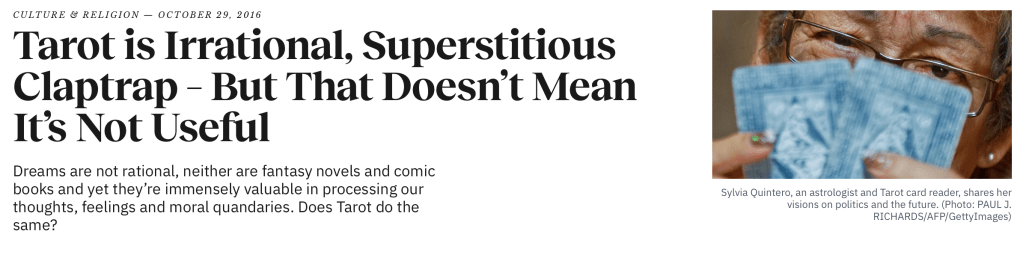
Second, scholars often characterize Tarot as a form of cold reading or the Barnum effect, where vague, generally applicable statements are interpreted as personally meaningful insights. The classic example is a statement like “You have a great need for other people to like and admire you,” which feels personally resonant to nearly everyone who hears it. They argue that the apparent accuracy of Tarot readings stems from the reader’s psychological manipulation—whether conscious or unconscious—and the client’s confirmation bias, not from any inherent power in the cards themselves. From this perspective, clients remember the “hits” while conveniently forgetting the misses, creating an illusion of accuracy.
Third, the academic establishment frequently positions Tarot as anti-intellectual, suggesting that reliance on divination discourages critical thinking and scientific reasoning. From this perspective, Tarot represents a retreat from the Enlightenment values of rationality and empiricism that underpin modern knowledge production. Some critics go further, arguing that such practices can lead to a broader rejection of evidence-based thinking, potentially making practitioners more susceptible to conspiracy theories, pseudoscience, and other forms of irrational belief.
Reexamining These Assumptions
While these criticisms contain elements of truth, they also reveal significant blind spots in how academics approach non-rational forms of knowledge and meaning-making. The demand for empirical validation, while appropriate for scientific claims, may be fundamentally misapplied to Tarot. Most serious Tarot practitioners today do not claim that the cards possess supernatural predictive powers; instead, they use the symbolic language of Tarot as a tool for reflection, introspection, and creative problem-solving. To insist on testing Tarot’s predictive accuracy is rather like evaluating poetry based on its ability to convey meteorological data—it misunderstands the fundamental purpose of the practice.
When viewed through this lens, Tarot functions more like poetry, narrative therapy, or philosophical dialogue than like meteorology or physics. Its value lies not in its ability to forecast specific events but in its capacity to prompt new perspectives, encourage self-examination, and provide a structured framework for contemplating life’s complexities. Consider how a card like the Tower—depicting a structure struck by lightning—might prompt someone facing a career crisis to reframe their situation not as a personal failure but as a necessary destruction that clears space for new growth. The rich symbolic vocabulary of Tarot—drawn from centuries of mythological, psychological, and spiritual traditions—offers practitioners a sophisticated language for exploring their inner lives and relationships.
The criticism regarding cold reading and the Barnum effect, while valid in some contexts, also oversimplifies how Tarot actually operates in practice. Skilled Tarot readers often provide highly specific, contextually relevant insights that go far beyond generic platitudes. A reader interpreting the Three of Swords in the context of a specific relationship question, for instance, might identify particular patterns of communication breakdown or emotional wounding that resonate with uncanny specificity. Moreover, even if some of Tarot’s apparent accuracy stems from psychological factors rather than supernatural ones, this does not necessarily diminish its therapeutic or reflective value. Many forms of counseling and self-help rely on similar psychological mechanisms—including the therapeutic alliance, narrative reframing, and the placebo effect—to promote insight and personal growth. We don’t dismiss cognitive behavioral therapy simply because it operates through psychological rather than mystical mechanisms.
The False Dichotomy of Reason Versus Intuition
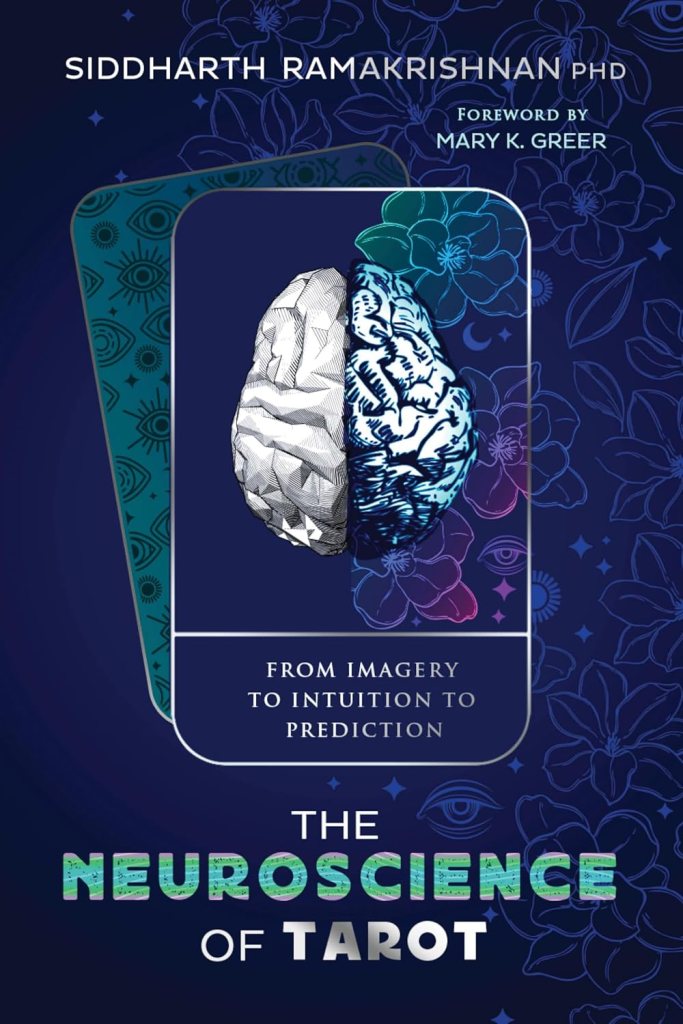
Perhaps most problematically, the academic dismissal of Tarot often rests on a false dichotomy between rational and intuitive ways of knowing. This binary thinking ignores the substantial body of research in cognitive science demonstrating that human decision-making and problem-solving involve complex interactions between analytical and intuitive processes. Daniel Kahneman’s work on System 1 and System 2 thinking, for instance, shows that our most effective reasoning often emerges from the interplay between rapid, associative intuition and slower, deliberate analysis. Tarot, at its best, can serve as a bridge between these modes of thinking, using symbolic imagery and narrative structures to access insights that might not emerge through purely logical analysis alone.
The cards function as what psychologists might call “projective techniques”—ambiguous stimuli that allow unconscious thoughts and feelings to surface. In this sense, Tarot operates similarly to the Rorschach inkblot test or therapeutic sandplay, providing a structured yet flexible medium through which individuals can externalize and examine their internal experiences. The difference is primarily one of context and framing rather than fundamental mechanism.
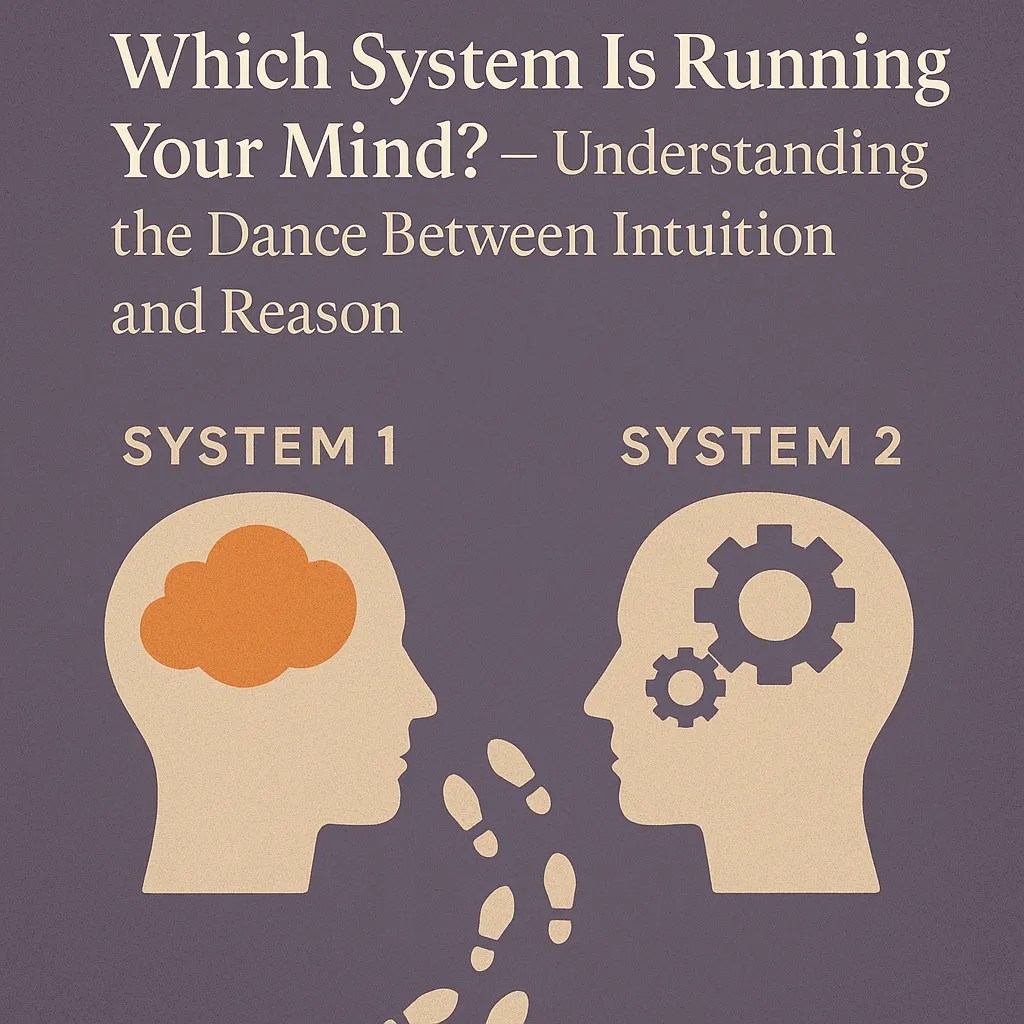
Furthermore, the characterization of Tarot as anti-intellectual fails to account for the sophisticated hermeneutical skills required for effective practice. Interpreting Tarot cards involves complex processes of pattern recognition, symbolic analysis, narrative construction, and contextual reasoning. Many practitioners develop extensive knowledge of mythology, depth psychology, comparative religion, and cultural history to inform their readings. A single card might be interpreted through Jungian archetypes, kabbalistic correspondences, astrological associations, and personal symbolism simultaneously. Rather than discouraging intellectual engagement, Tarot can serve as a gateway to deeper exploration of these fields, motivating practitioners to study subjects they might never have encountered otherwise.
Toward a More Nuanced Understanding
The academic dismissal of Tarot ultimately reflects broader tensions within intellectual culture about the legitimacy of non-rational forms of knowledge and experience. These tensions have deep historical roots in the Enlightenment’s project of disenchantment and the subsequent professionalization of knowledge production within universities. While maintaining appropriate skepticism about supernatural claims, scholars might benefit from approaching Tarot with the same analytical rigor they bring to other cultural phenomena—examining how it functions socially, psychologically, and symbolically rather than simply dismissing it as superstition.
This more nuanced approach would recognize that Tarot’s enduring popularity and cultural significance merit serious scholarly attention, regardless of one’s beliefs about its metaphysical claims. After all, academics readily study religion, mythology, and ritual without necessarily endorsing their supernatural premises. By moving beyond reflexive dismissal, academics could contribute valuable insights into how symbolic systems function in meaning-making, how individuals navigate uncertainty and complexity in late modernity, and how traditional practices adapt to contemporary contexts. Such scholarship might illuminate not only Tarot itself but also broader questions about the human need for meaning, the role of ritual in secular societies, and the limits of purely rationalist approaches to understanding human experience.
The Informed Integration Spread: A Practical Demonstration
To illustrate how Tarot functions as a reflective tool that bridges analytical and intuitive modes of knowing, consider the following five-card spread designed specifically around the themes we’ve been exploring. This spread isn’t intended to predict the future or reveal hidden mystical truths, but rather to create a structured framework for examining how we approach complex questions or decisions in our own lives.
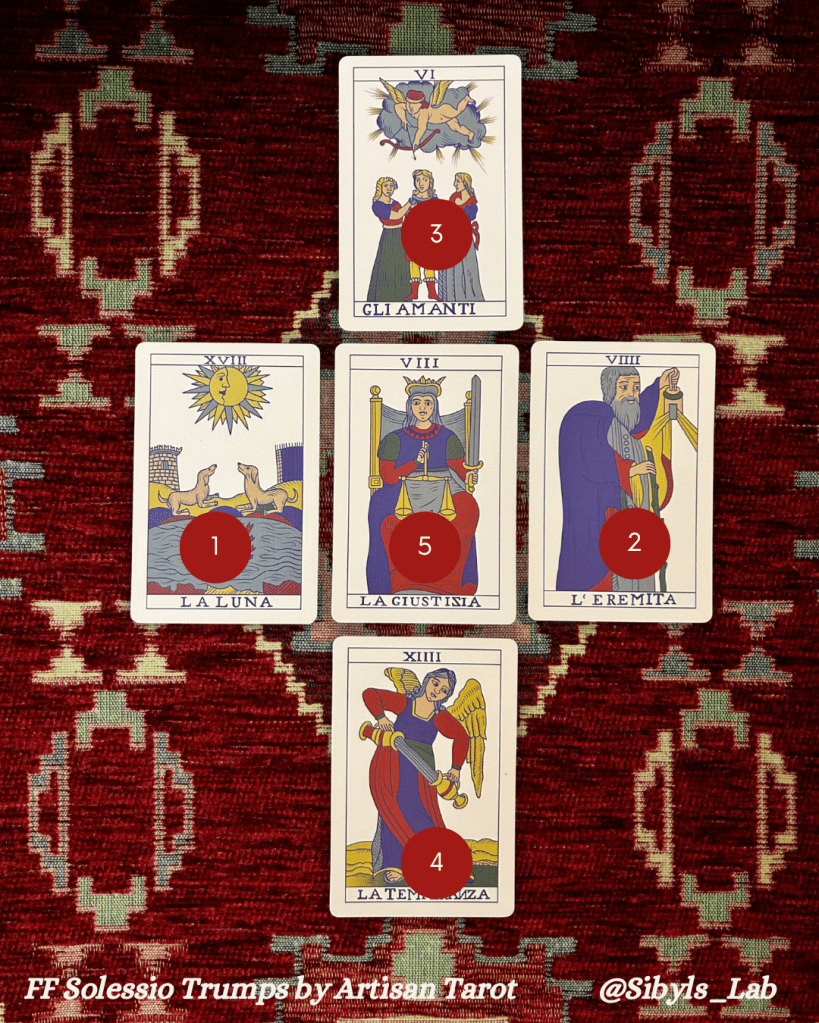
The layout forms a cross pattern, with four cards arranged in cardinal directions and a fifth card at the center:
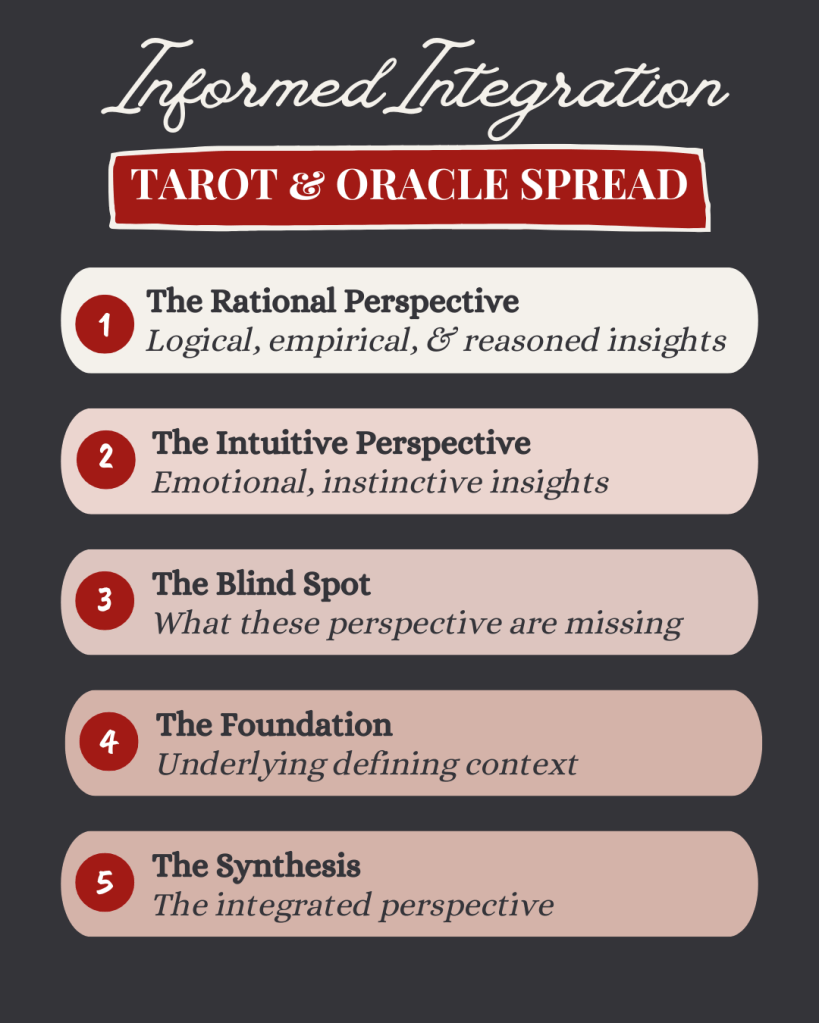
Position 1: The Rational Perspective
This card represents what you consciously know about the situation through logical analysis, empirical observation, and deliberate reasoning. What facts have you gathered? What conclusions have you drawn through systematic thinking? When interpreting this position, consider how the card’s traditional meanings might symbolize the strengths and potential limitations of your analytical approach. For instance, the King of Swords might indicate clear, decisive thinking but also potential rigidity or emotional detachment.
Position 2: The Intuitive Perspective
This card embodies what you sense or feel about the situation through non-rational channels—gut feelings, emotional responses, pattern recognition that operates below conscious awareness. What does your body tell you? What do you know without being able to articulate exactly how you know it? Here, you might find that the same King of Swords takes on different resonance—perhaps highlighting a need to trust your judgment even when you can’t fully explain it, or warning against intellectualizing emotions.
Position 3: The Blind Spot
This position reveals what both your rational and intuitive faculties might be missing—the perspective that falls outside your current framework of understanding. It represents the unknown unknowns, the questions you haven’t thought to ask, or the assumptions you haven’t recognized as assumptions. A card like the Moon here might suggest hidden factors, self-deception, or the need to sit with ambiguity rather than rushing to resolution.
Position 4: The Foundation
This card indicates the underlying context or deeper pattern that informs the situation—the historical, psychological, or systemic factors that shape both your rational analysis and intuitive responses. It asks: What larger story are you part of? What past experiences or cultural narratives influence how you’re approaching this question? The Ten of Cups here might point to family dynamics or idealized expectations that color your perception.
Position 5: The Synthesis
The central card represents the integrated perspective that emerges when you hold both rational and intuitive knowledge together, acknowledge your blind spots, and understand your foundational context. This isn’t a simple compromise between positions 1 and 2, but rather a more complex understanding that transcends the dichotomy. The Temperance card in this position would be almost too on-the-nose, but it illustrates the concept perfectly—the alchemical combination of different elements into something new.
When working with this spread, the interpretive process itself demonstrates the sophisticated cognitive work that Tarot facilitates. You’re simultaneously engaging in symbolic analysis (what does this card traditionally mean?), contextual reasoning (how does its meaning shift in this specific position?), pattern recognition (how do these five cards relate to each other?), and personal reflection (how does this symbolic language illuminate my actual experience?). You’re also practicing metacognition—thinking about how you think, examining the interplay between your different modes of knowing.
The spread doesn’t provide answers so much as it creates a structured space for inquiry. The cards serve as conversation partners, offering symbolic vocabulary for experiences that might otherwise remain inchoate. A practitioner might spend twenty minutes with this spread, journaling about each position, noticing which cards feel immediately resonant and which create productive confusion, and gradually developing a more nuanced understanding of their situation. This is fundamentally different from seeking a yes/no answer or a prediction about the future—it’s a contemplative practice that uses symbolic imagery to facilitate deeper self-knowledge.
Importantly, someone could perform this exact spread and conclude that their rational analysis was correct all along, or that they should trust their intuition over their logic, or that they need to gather more information before deciding. The spread doesn’t dictate a particular outcome; it provides a framework for examining the question more thoroughly. In this sense, it functions less like divination and more like a philosophical thought experiment or a therapeutic intervention—a structured method for accessing and integrating different types of knowledge.

 Sibyl's Lab of Cartomantics
Leave a comment