Tag: #history
-
Why Do Academics Dismiss Tarot? A Critical Examination of Rational Bias
This week, the author critiques the dismissal of Tarot as mere superstition by academics. Highlighting its cultural significance and psychological benefits, the piece argues that Tarot serves as a reflective tool bridging rational and intuitive knowledge, promoting introspection and meaning-making rather than predicting the future. It advocates for more nuanced scholarly engagement with such practices.
-
The Psychopomp Archetype in Fairy Tales, Folklore, and Tarot
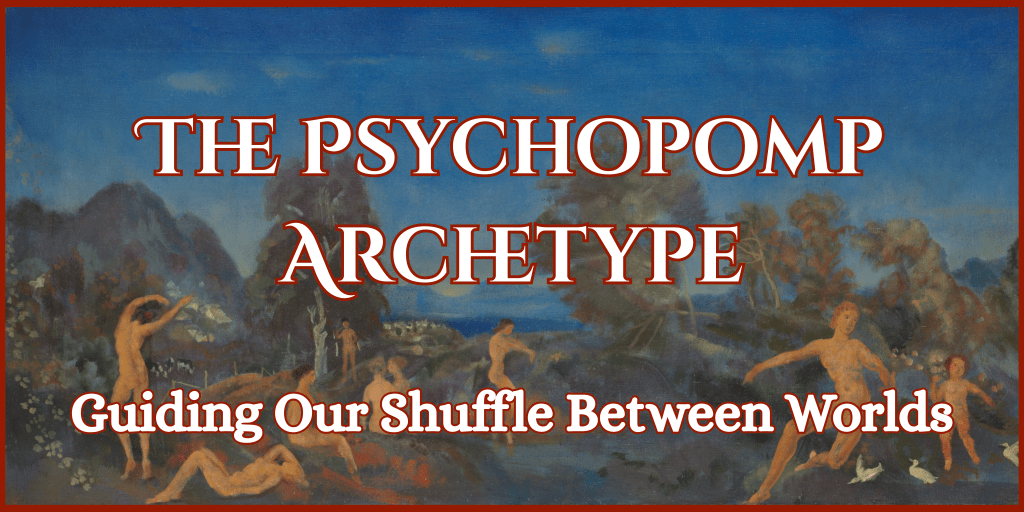
This week, the focus is on the archetype of the psychopomp, a guide that assists souls through transitions such as life and death. This figure appears in mythology and tarot as a mediator between worlds, helping navigate change and loss. Understanding psychopomps highlights humanity’s need for guidance during profound transformations.
-
Should You Tell Them You Read Tarot? A Guide (& Spread) for Navigating This Decision

The content discusses the dilemma tarot readers face when deciding whether to share their practice with family and friends. It emphasizes the importance of personal choice between privacy and openness, encouraging readers to assess relationships, motivations, and boundaries before disclosing their tarot involvement. Ultimately, it affirms the right to choose what to share based on…
-
Quieting Your Mind: A 4-Card Oracle Spread

This week’s short post is an adjunct to our most recent video, by acolyte Amelia, on practices and decks for “Quiet Tarot.” So if you, too, are overwhelmed by frenetic seasonal noise, be sure to take advantage of the beautiful way in which her insights provide a foundation for the spread below. You can find…
-
The Monster-Maker as Fortuneteller: Frankenstein & Gothic Divination
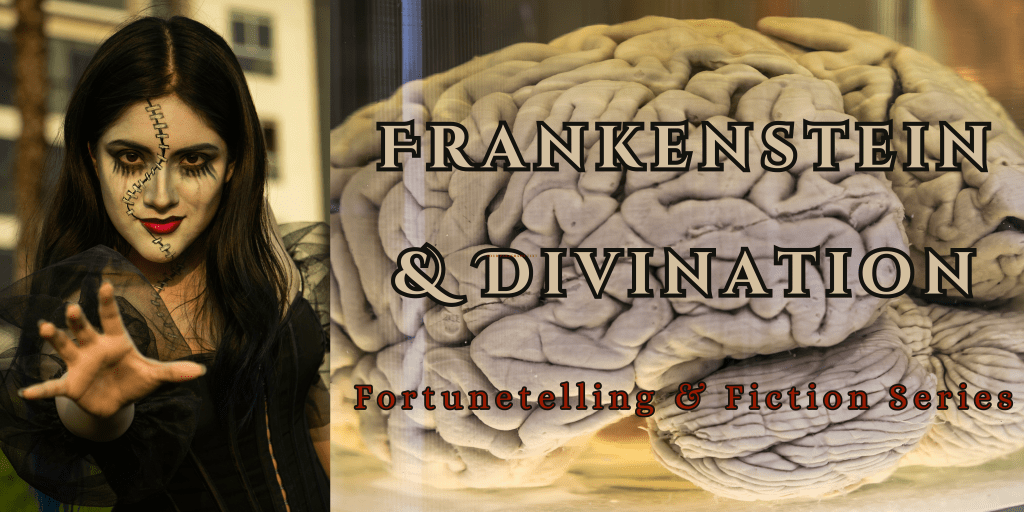
The post connects Mary Shelley’s work to fortunetelling, illustrating the dangers of seeking forbidden knowledge through Victor Frankenstein’s hubris. A tarot spread is suggested to explore personal ambitions and responsibilities.
-
Sacred Monstrosity: Facing Inner Darkness with Myth (+ Journal Prompts & Tarot Spread)
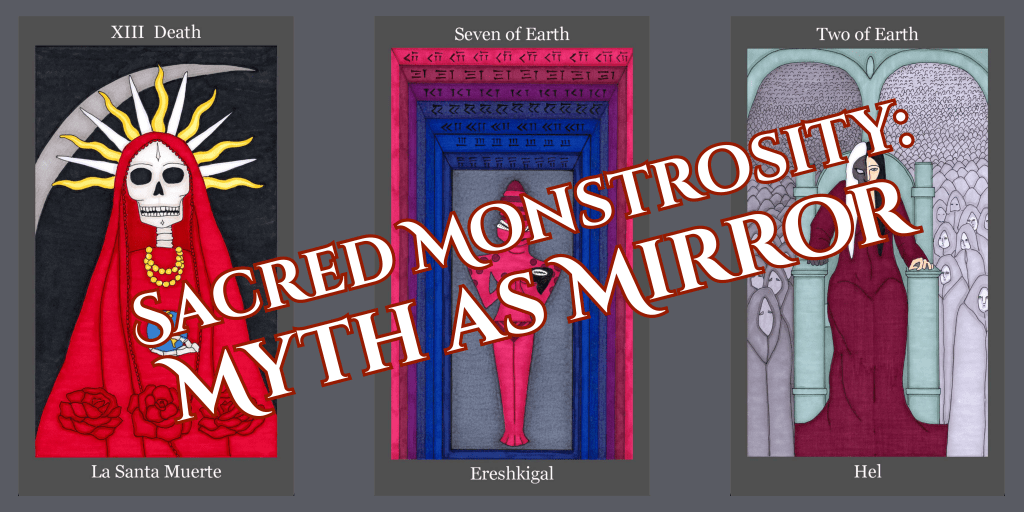
As the season of monstrosity continues, we have a second musing on this theme, contemplating the journey to integrating the grotesque, gruesome, dreadful image we find in the mirror. (You can find the first pass here. This week, we specifically invite myth to function as that mirror. What breadth of god and goddess archetypes support…
-
Monstrosity and Wholeness with Tarot: The Gifts of the Disowned Self (+ Journaling Prompts & Tarot Spread)
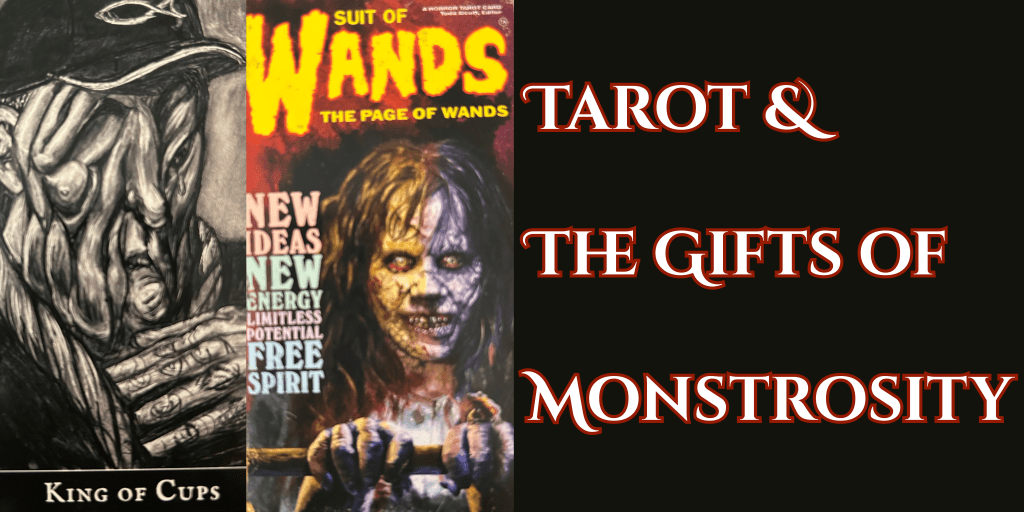
It is the season for celebrating monsters, or so the greeting cards say. And so here we are, considering the mask of the monstrous: what it is, why it serves us, and how to heal by embracing it. I’ve mused before about my own journey with my patroness Medusa, the powerful and dreadful, and also…
-
The Legend of Pope Joan: From Scandal to Tarot Icon (+ 5-Card Spread)
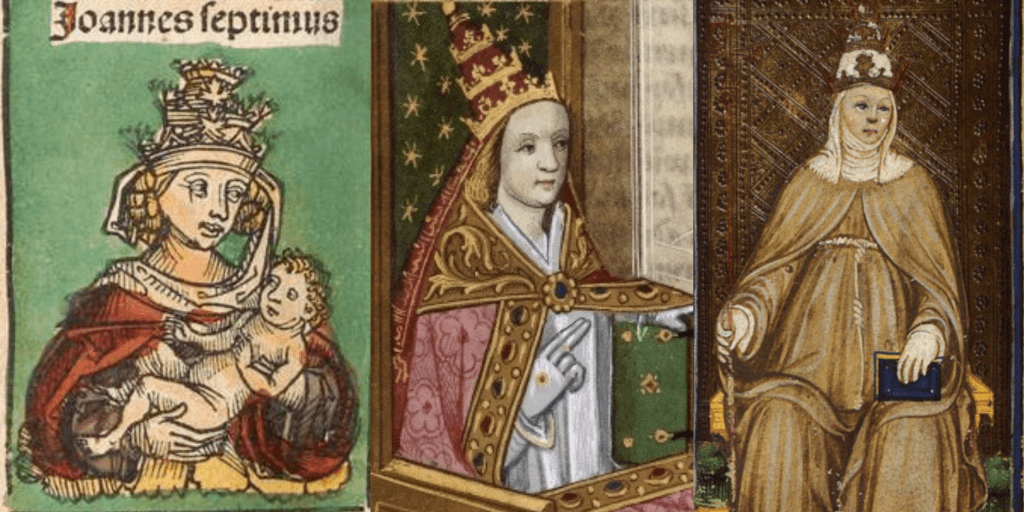
The High Priestess card in tarot, the inheritor of the medieval deck’s Papess, symbolizes ancient wisdom and feminine intuition, with origins linked to the legend of Pope Joan, a woman who disguised as a man to become pope. Over centuries, this figure transformed from a scandalous tale into a powerful archetype representing hidden knowledge and…
-
Objects of Wonder, Instruments of Prophecy: The Mystical Life of Curiosity Cabinets

Sibyl discusses the relationship between cabinets of curiosities and divination practices, a fascinating intersection of Renaissance knowledge-seeking and mystical tradition. These collections, which flourished from the 16th through 18th centuries, functioned as sophisticated instruments for understanding the hidden connections between all things, serving as both repositories of wonder and mechanisms for glimpsing divine will through…
-
Tarot, Class, and Magic in Susanna Clarke’s “Jonathan Strange & Mr. Norrell”: Fortunetelling & Fiction Series
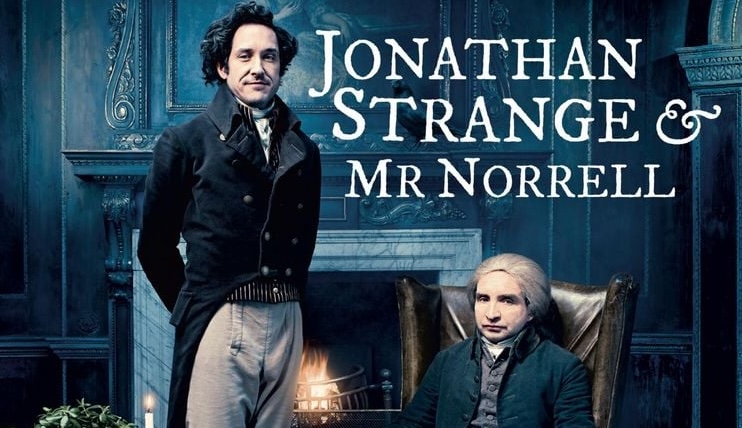
This post is the third in a series exploring the integration of tarot and fortune-telling in literary fiction, focusing on Susanna Clarke’s Jonathan Strange & Mr. Norrell. It examines how tarot reflects class divisions and contrasts institutional magic with intuitive practices, while connecting to themes of knowledge, prophecy, and cultural memory in magical contexts.
 Sibyl's Lab of Cartomantics