Tag: #divination
-
Objects of Wonder, Instruments of Prophecy: The Mystical Life of Curiosity Cabinets

Sibyl discusses the relationship between cabinets of curiosities and divination practices, a fascinating intersection of Renaissance knowledge-seeking and mystical tradition. These collections, which flourished from the 16th through 18th centuries, functioned as sophisticated instruments for understanding the hidden connections between all things, serving as both repositories of wonder and mechanisms for glimpsing divine will through…
-
The Divinatory Architecture of Time in Kate Mosse’s “Sepulchre”: Fortunetelling & Fiction Series
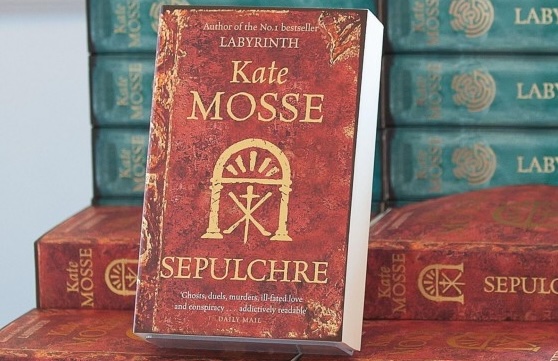
This post discusses Kate Mosse’s Sepulchre, examining tarot’s intricate role as a structural and thematic device linking narratives from 1891 and 2007. It explores how tarot illuminates themes of history, identity, and inheritance, positioning it as both a narrative tool and a means of uncovering deeper truths about human experience.
-
Tarot, Class, and Magic in Susanna Clarke’s “Jonathan Strange & Mr. Norrell”: Fortunetelling & Fiction Series
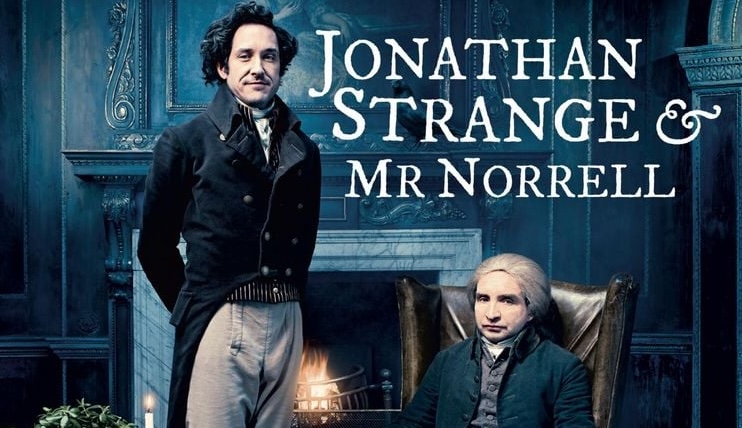
This post is the third in a series exploring the integration of tarot and fortune-telling in literary fiction, focusing on Susanna Clarke’s Jonathan Strange & Mr. Norrell. It examines how tarot reflects class divisions and contrasts institutional magic with intuitive practices, while connecting to themes of knowledge, prophecy, and cultural memory in magical contexts.
-
Fortunetelling & Fiction: Italo Calvino’s The Castle of Crossed Destinies & Tarot as Radical Language
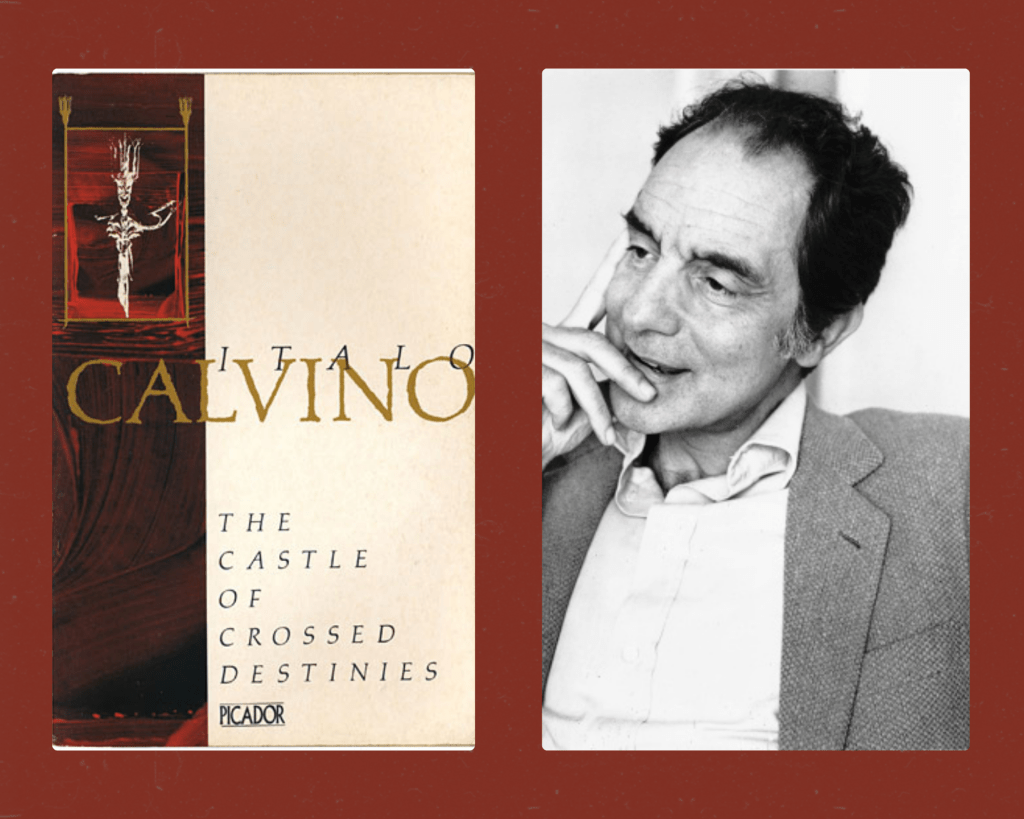
This post explores tarot and fortunetelling as literary devices, focusing on Italo Calvino’s “The Castle of Crossed Destinies.” The novel employs tarot as its primary narrative structure, allowing characters to communicate through visuals. This innovative approach challenges traditional storytelling, emphasizing narrative interpretation and the symbolic nature of tarot across different contexts.
-
Fortunetelling & Fiction: A New Series on Tarot as a Literary Device
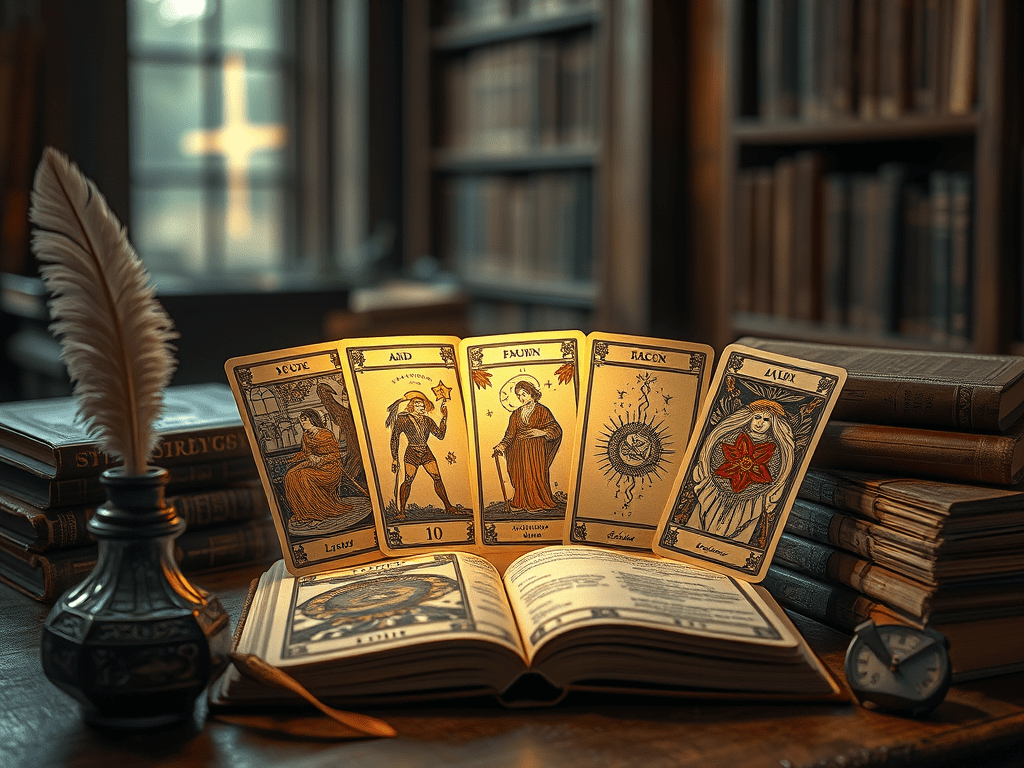
Authors have utilized tarot cards throughout literature for their rich symbolism and narrative potential, transcending mere divination. The cards serve as essential tools for plot development and thematic exploration, evident in works like T.S. Eliot’s “The Waste Land,” which employs tarot imagery to address modernity’s spiritual crises and the complexities of meaning-making.
-
The Wandering Fool: An Aesthetic Politics in Progress

The Fool card in tarot, evolving from Le Mat to contemporary interpretations, signifies a profound transformation in esoteric philosophy. Its unique position outside the hierarchy reflects liminality and challenges social norms. Modern representations emphasize political consciousness, bridging tradition with contemporary spiritual frameworks while embodying the paradox of wisdom and innocence in spiritual journeys.
-
The Story of Saint Agabus: Patron Saint of Fortunetellers

Saint Agabus, recognized as a biblical prophet in the early Christian church, is viewed as an unconventional patron saint of fortunetellers. His successful prophecies provide credibility for divination practices among believers. Agabus’s legacy bridges Christianity and folk traditions, allowing modern practitioners to reconcile faith with divinatory pursuits.
-
Maman Brigitte: A Tarot Guide to Connecting with this Powerful Loa & Three Spreads to Get Started

This post introduces a new series on deity work and tarot, focusing on Maman Brigitte, the Vodou goddess of death and protection. It explores how tarot can help connect with her through various card interpretations and spreads, emphasizing respectful and ethical practices for establishing a spiritual relationship.
-
The Amish, Divination, & Faith in the Unseen Future
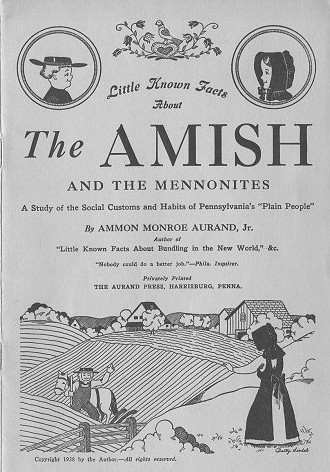
The article explores Amish beliefs regarding divination, emphasizing their strict biblical rejection of fortune-telling as sinful. While adherents follow the Ordnung, embracing community over self, some folk practices suggest complexities. The Amish value divine mystery, contrasting mainstream culture’s obsession with prediction, reflecting a worldview that prioritizes faith, community, and divine authority over individual insight.
 Sibyl's Lab of Cartomantics