Category: Divination History
-
Why Do Academics Dismiss Tarot? A Critical Examination of Rational Bias
This week, the author critiques the dismissal of Tarot as mere superstition by academics. Highlighting its cultural significance and psychological benefits, the piece argues that Tarot serves as a reflective tool bridging rational and intuitive knowledge, promoting introspection and meaning-making rather than predicting the future. It advocates for more nuanced scholarly engagement with such practices.
-
The Monster-Maker as Fortuneteller: Frankenstein & Gothic Divination
The post connects Mary Shelley’s work to fortunetelling, illustrating the dangers of seeking forbidden knowledge through Victor Frankenstein’s hubris. A tarot spread is suggested to explore personal ambitions and responsibilities.
-
The Legend of Pope Joan: From Scandal to Tarot Icon (+ 5-Card Spread)
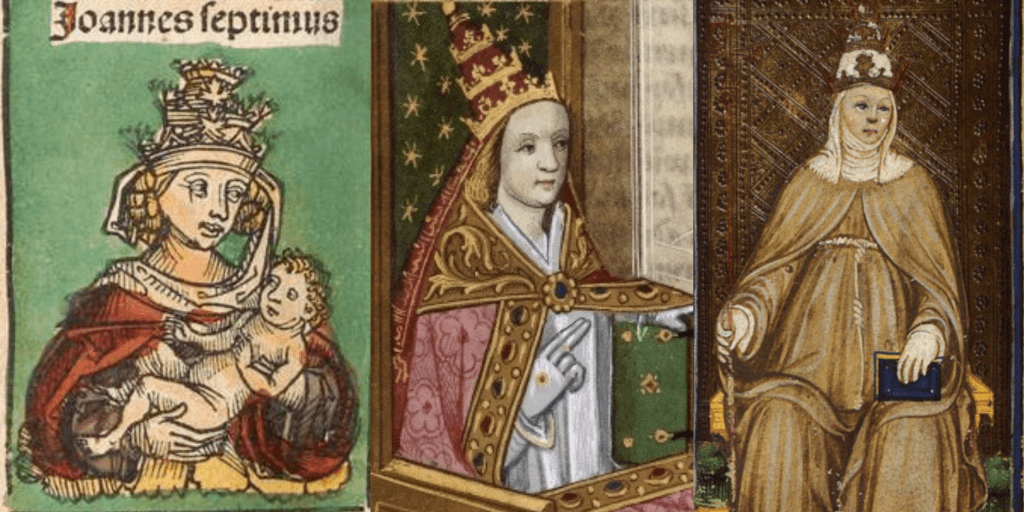
The High Priestess card in tarot, the inheritor of the medieval deck’s Papess, symbolizes ancient wisdom and feminine intuition, with origins linked to the legend of Pope Joan, a woman who disguised as a man to become pope. Over centuries, this figure transformed from a scandalous tale into a powerful archetype representing hidden knowledge and…
-
Ancient Divination, Epic Journeys, & New Offerings for Curious Parties (+ a Bonus Tarot Spread!)
Sibyl’s Lab of Cartomantics introduces its Cabinet of Cartomantic Curiosities, inviting exploration of divination’s historical role in adventures. Reflecting on ancient Greek and Norse practices, the significance of spiritual guidance before embarking on journeys is emphasized. The content concludes by encouraging modern seekers to utilize a tarot spread for insight before their quests.
-
Objects of Wonder, Instruments of Prophecy: The Mystical Life of Curiosity Cabinets

Sibyl discusses the relationship between cabinets of curiosities and divination practices, a fascinating intersection of Renaissance knowledge-seeking and mystical tradition. These collections, which flourished from the 16th through 18th centuries, functioned as sophisticated instruments for understanding the hidden connections between all things, serving as both repositories of wonder and mechanisms for glimpsing divine will through…
-
The Wandering Fool: An Aesthetic Politics in Progress

The Fool card in tarot, evolving from Le Mat to contemporary interpretations, signifies a profound transformation in esoteric philosophy. Its unique position outside the hierarchy reflects liminality and challenges social norms. Modern representations emphasize political consciousness, bridging tradition with contemporary spiritual frameworks while embodying the paradox of wisdom and innocence in spiritual journeys.
-
The Story of Saint Agabus: Patron Saint of Fortunetellers

Saint Agabus, recognized as a biblical prophet in the early Christian church, is viewed as an unconventional patron saint of fortunetellers. His successful prophecies provide credibility for divination practices among believers. Agabus’s legacy bridges Christianity and folk traditions, allowing modern practitioners to reconcile faith with divinatory pursuits.
-
Divining Ireland: Druids, Samhain, & the Celtic Revival
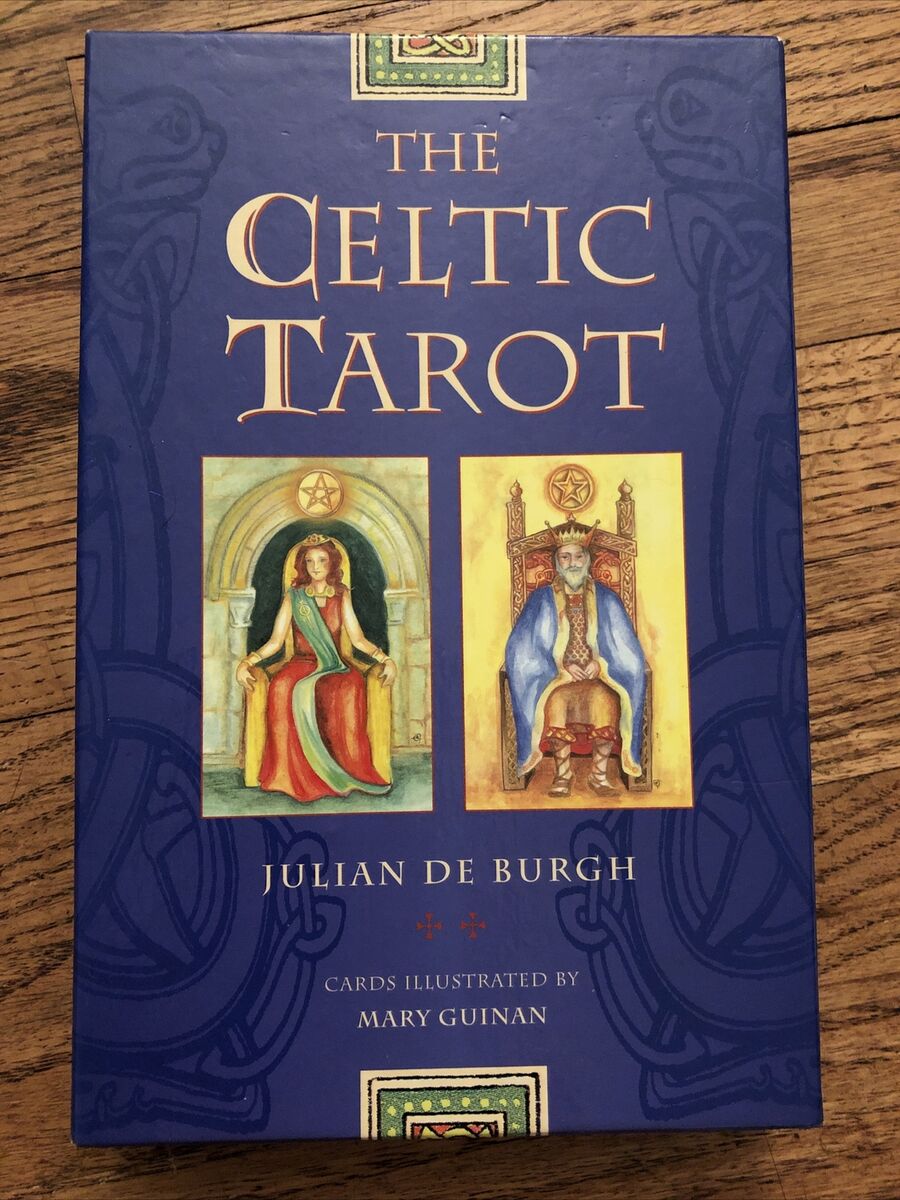
Sibyl explores the history of fortunetelling in Ireland, revealing its roots in Druidic practices and adaptation during Christianity. Key traditions, like Samhain divination and tea leaf reading, illustrate a blend of old and new beliefs. Despite challenges, these practices have persisted, maintaining a strong connection to Irish heritage and spirituality.
-
The Amish, Divination, & Faith in the Unseen Future
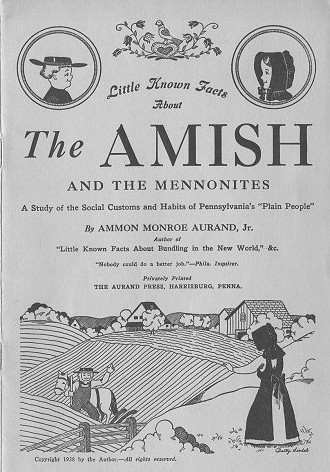
The article explores Amish beliefs regarding divination, emphasizing their strict biblical rejection of fortune-telling as sinful. While adherents follow the Ordnung, embracing community over self, some folk practices suggest complexities. The Amish value divine mystery, contrasting mainstream culture’s obsession with prediction, reflecting a worldview that prioritizes faith, community, and divine authority over individual insight.
-
(Fortune)Telling the Iberian Past: Portugal & the Azores

Fortunetelling in Portugal, particularly in the Azores, has ancient roots, dating back to pre-Roman times. Influences from Celtic, Iberian, and Moorish traditions shaped its development. Despite periods of suppression, the practice has revived in modern times, reflecting cultural identity and heritage, blending diverse methods and new eco-tourism interests in traditional divination.
 Sibyl's Lab of Cartomantics