Most weekends, I find myself in a theater taking in the critically acclaimed movie of the moment. (If I’m honest, this movie of the week is just as often a narratively unsophisticated, visually stimulating blockbuster that I indulge in, at the expense of my more aggrandizing critical self.) Last weekend’s treat happened to be the latest cinematic retelling of Frankenstein, produced by the hand of Guillermo del Toro. And this film—its cinematography, music, rich and dramatic performances, visual effects—reflects every dollar of its $125 million budget. This is the magnum opus of an ingenious director’s long career, and the pinnacle of Frankenstein retellings on screen.
I debriefed my visceral response to the film in the form of a YouTube deck list, assigning two decks to each of the three main characters, and it will go live on Friday, November 14th here. And yet, I find that I have more to say. I could wax rhapsodic about the emotional depth of this film all day, in real time or in writing, but this is, after all, a blog of divination and self-discovery. So let’s get to the matter at hand: what does Frankenstein have to say about the business of fortunetelling? To make my case, we’re going to revisit our series on literature and divination.
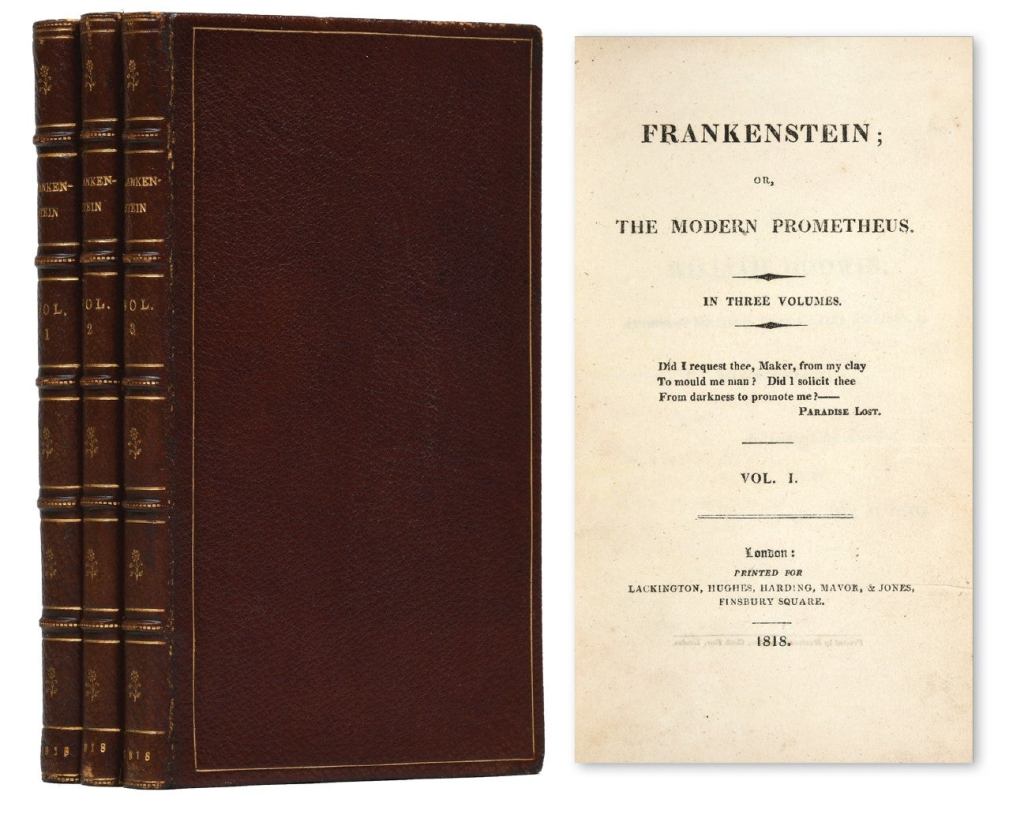
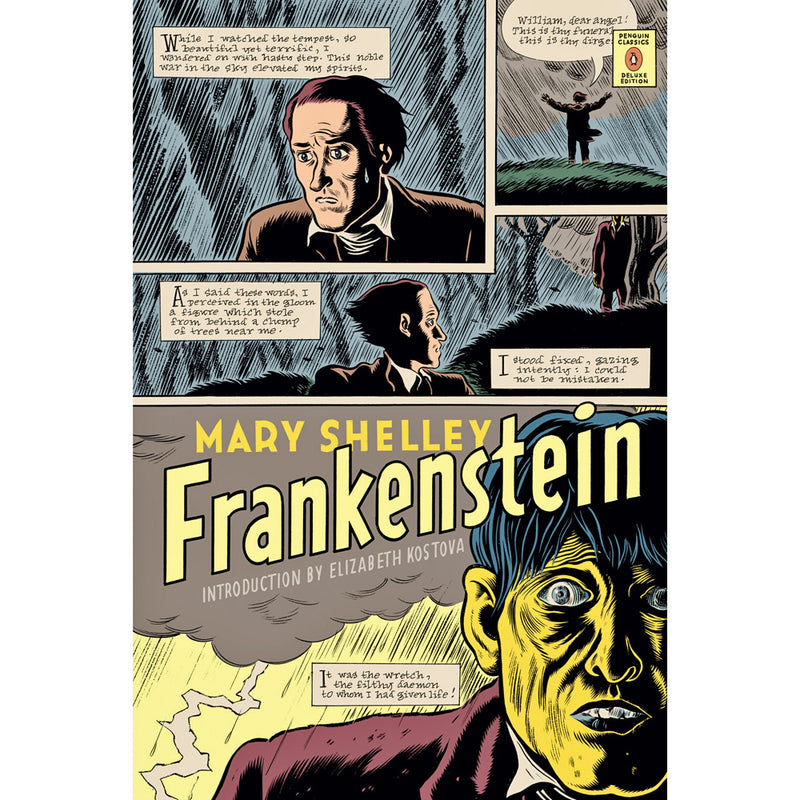
This is the belated sixth post discussing where, how, and why tarot and fortunetelling show up as devices in literary fiction. In other words, they are an opportunity for a tarot-loving lit professor to indulge—with the ancient Sibyl’s permission, of course—two areas of passion and expertise. This week, we’ll be discussing the source material for del Toro’s film: Mary Shelley’s Frankenstein (1818). Be warned: spoilers await.
The introduction to the “Fortunetelling & Fiction” series is available at this link. Previously reviewed texts include:
- “The Waste Land” by T.S. Eliot (1922)
- The Castle of Crossed Destinies by Italo Calvino (1973)
- Jonathan Strange & Mr. Norrell by Susanna Clarke (2004)
- Sepulchre by Kate Mosse (2007)
- Ninth House by Leigh Bardugo (2019)
Now, onward to this latest entry in our series.
The Gothic Foundations: Frankenstein’s Dark Architecture
When Mary Shelley sat down in 1816 for a ghost story competition, she gave us way more than just a story about bringing dead bodies back to life and a scientist who gets too big for his britches. She’s actually exploring something much deeper—humanity’s obsession with uncovering secrets we probably shouldn’t know. Think about it: Frankenstein isn’t really about fortunetelling in the “crystal ball sense.” It’s about something far more dangerous—the kind of knowledge-seeking that crosses lines we’re, by prevailing moral norms, not supposed to cross. Victor’s laboratory? That’s basically a temple of forbidden questions. His experiments with electricity and dead tissue? That’s necromancy dressed up in scientific clothing. And his downfall? It’s the same cautionary tale we’ve been telling since Prometheus stole fire from the gods.
Shelley’s novel stands as one of the pillars of gothic literature, embodying virtually every element that defines the genre. Shelley constructs her narrative within the classic gothic framework: isolated settings that mirror psychological states, from the windswept Alps to the desolate Arctic wastes; the presence of the sublime in nature that both awes and terrifies; and the central gothic preoccupation with transgression and its consequences. The creature itself serves as the ultimate gothic monster—not merely frightening in appearance, but tragic in its existence, a walking embodiment of boundaries violated and natural order disrupted.
Moreover, Shelley employs the gothic tradition of the doppelgänger, with Victor and his creature serving as dark mirrors of one another. The creator and created are bound in a dance of mutual destruction, each haunting the other, neither able to escape their intertwined fate. This doubling extends the gothic theme of the fragmented self, the fear that within each civilized person lurks something monstrous waiting to emerge.
Victor’s Alchemical Divination: Seeking the Secrets of Life
Victor Frankenstein is, at his essence, a diviner—one who seeks to read the hidden text of life itself. His journey begins not with modern science but with the medieval alchemists: Cornelius Agrippa, Paracelsus, and Albertus Magnus. These were men who blurred the line between science and magic, who sought the philosopher’s stone and the elixir of life. Though Victor eventually turns to modern chemistry and natural philosophy, he never truly abandons the alchemical mindset. His goal remains fundamentally divinatory: to discover secrets that nature has concealed, to force answers from the universe that it has refused to give.
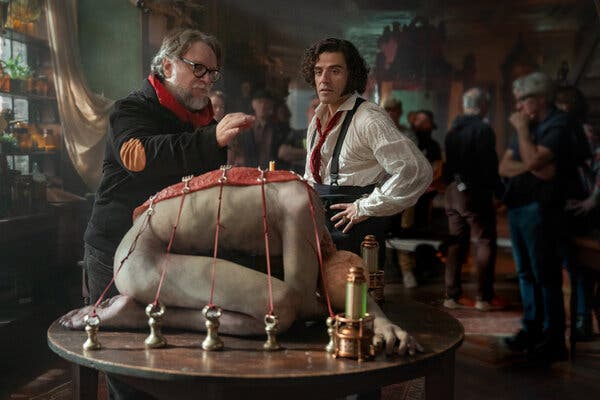
The act of creating life becomes Victor’s ultimate divination ritual. Like ancient priests reading entrails or oracles interpreting divine signs, Victor pieces together his creature from fragments, attempting to read in dead flesh the secret of animation. His laboratory, filled with “instruments of life” surrounded by death, becomes a liminal space—neither fully scientific nor fully supernatural, but something between. The moment of creation, occurring on a “dreary night of November,” carries all the atmosphere of a dark séance or necromantic ritual.
Shelley explicitly invokes the Promethean theme in the novel’s subtitle: “The Modern Prometheus.” Prometheus stole fire from the gods—divine knowledge, forbidden to mortals. Victor steals the secret of life itself, and like Prometheus, he is punished eternally for his transgression. This parallel positions Victor’s scientific inquiry as a form of divination that crosses sacred boundaries. He doesn’t merely study nature; he attempts to usurp the role of fate, of God, of the fundamental forces that determine life and death. In doing so, he practices the most dangerous divination of all: attempting to read and rewrite the book of destiny itself.
The consequences of Victor’s divinatory hubris manifest in deeply gothic ways. The knowledge he gains brings no enlightenment, only horror. The creature he animates becomes his nemesis, hunting him across continents, destroying everyone he loves. This pattern reflects the classic cautionary tale structure found in stories of divination gone wrong—from Oedipus learning his fate from the oracle to Macbeth hearing the witches’ prophecies. The knowledge gained through forbidden means becomes a curse, and the diviner is destroyed by what he has learned.
The Gothic Tradition of Forbidden Knowledge
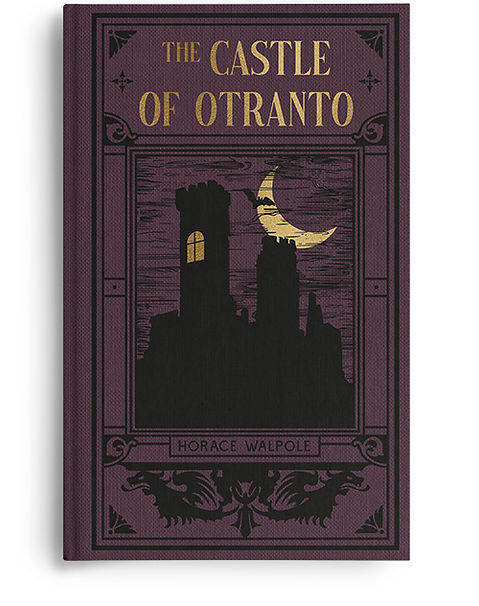
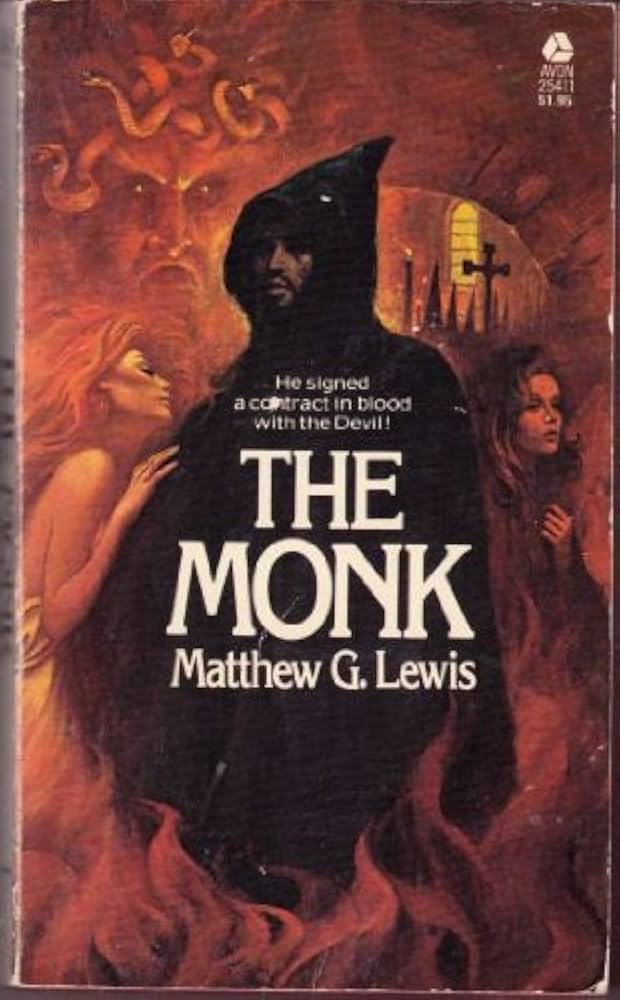
Frankenstein participates in a long gothic tradition of exploring the dangers of seeking hidden knowledge. Gothic literature is obsessed with secrets—family secrets, supernatural secrets, scientific secrets—and with the terrible price of uncovering them. From Horace Walpole’s The Castle of Otranto with its ancient prophecies to Matthew Lewis’s The Monk with its demonic pacts, gothic novels repeatedly warn against the pursuit of knowledge that transgresses moral or natural boundaries.
This tradition connects directly to historical anxieties about divination and occult practices. The gothic novel emerged during the Enlightenment and Romantic periods, an era of tremendous scientific advancement but also of lingering superstition and fear. The same century that produced rational philosophy and industrial revolution also saw continued belief in fortune-telling, spiritualism, and supernatural phenomena. Gothic literature exists in this tension, asking whether some knowledge is too dangerous for humanity to possess, whether the rational mind can truly explain all mysteries, or whether some doors should remain closed.
In many gothic works, the pursuit of forbidden knowledge is explicitly linked to divinatory practices. Characters consult grimoires, perform rituals, or seek out wise women and cunning folk. Even when the knowledge-seeking appears scientific, it often carries occult overtones. Victor’s education, beginning with medieval alchemy and progressing to modern science, embodies this continuum. The gothic suggests that perhaps the alchemists and the scientists are engaged in the same fundamental act: attempting to divine nature’s deepest secrets, regardless of the cost.
A Frankenstein Tarot Spread: Reading Your Own Monster
Since we’re talking about Victor as a diviner seeking forbidden truths, let’s get meta for a second and actually use divination to explore the novel’s themes. Here’s a tarot spread based on the structure of Frankenstein itself—because what better way to understand a story about dangerous creation than to divine your own monsters?
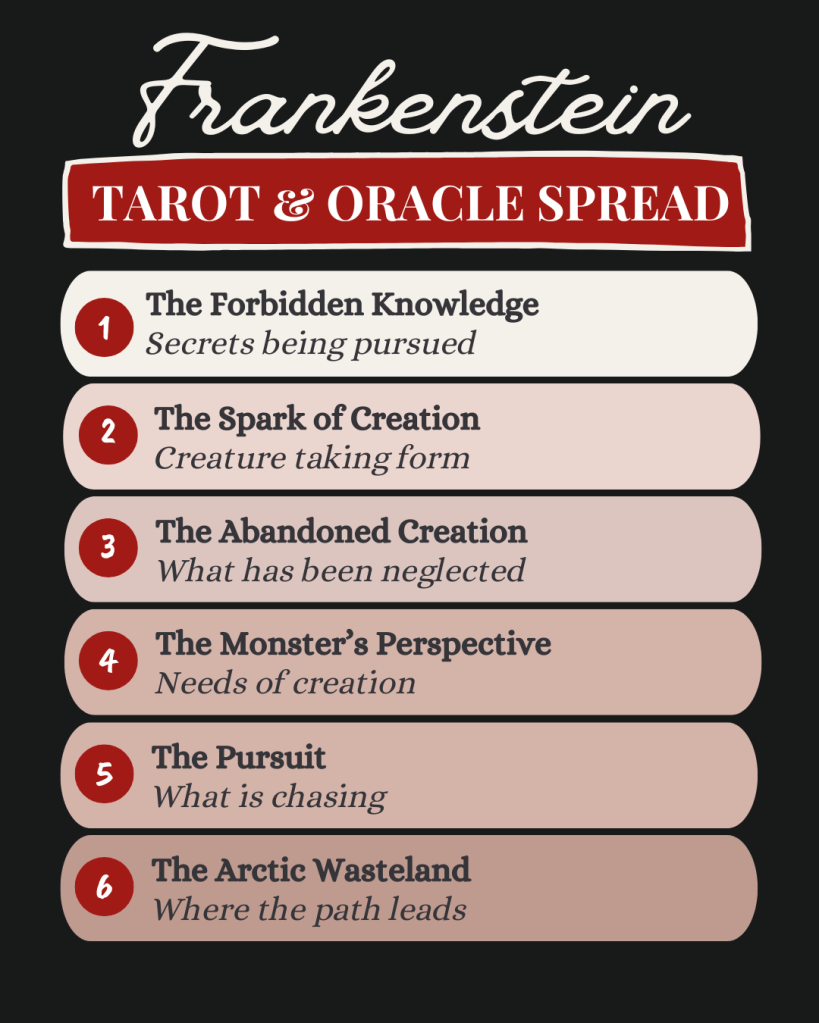

Card 1: The Forbidden Knowledge – What secret are you pursuing? What knowledge calls to you despite the warnings? This represents your Victor moment—that thing you’re obsessed with understanding or achieving, even if everyone’s telling you to leave it alone.
Card 2: The Spark of Creation – What are you actually building or bringing into being? This is your creature, your project, your ambition taking form.
Card 3: The Abandoned Creation – What have you neglected or turned away from? Victor literally runs away from his creature. What have you created and then refused to nurture?
Card 4: The Monster’s Perspective – What does your creation need from you? If your abandoned project could speak, what would it say?
Card 5: The Pursuit – What’s chasing you? What consequence or responsibility are you running from?
Card 6: The Arctic Wasteland – Where does this path ultimately lead? This is your ending—the cold, isolated place you might reach if you don’t change course.
Pull this spread when you’re deep in an obsessive project or ambition, and it’ll show you exactly what kind of monster you’re making—and whether you’re prepared to take responsibility for it.


 Sibyl's Lab of Cartomantics
Leave a comment