

Sibyl may revel in her resistance to dogmas of all sorts, but even she is in mourning over the passing of Pope Francis on April 21, 2025, may he rest in peace. It is in his honor that we will, in our own irreverent way, turn our history-loving gaze to the Catholic Church and its saints.
The Church has canonized more than 10,000 men and women over its 2,000 year history, with each saint serving as patron to a myriad of needs, some officially outlined by the church, others established by unofficial tradition. For example, it is the common folk who assigned St. Joseph to be patron of offensive linemen in football and handed St. Isidore of Seville the mantle of patroness of the internet.
In this same spirit of folk tradition, there has come to be a patron saint of fortunetellers, Saint Agabus of Syria. Is the notion of such a saint surprising? It’s certainly counterintuitive given the firm admonitions against divination, laid out in both Christian scripture and tradition. And yet the heritage of prophetic foreknowledge is just as textually documented, and just as traditionally celebrated, as it is indicted. (Any student of history knows that institutional dogmas are, by their nature, rife with contradictions and tensions. Life’s messiness rarely holds up to the inflexible strictures of organized faith. Sibyl would argue that the late Pope Francis himself would admit that any self-aware Catholic understands and surrenders to these internal inconsistencies, and perhaps even finds the deepest truths there. But we digress.)
Like many better-known biblical prophets, Saint Agabus’s legacy is associated with supernatural and intuitive insight and divination. While not officially designated by the Catholic Church as the patron saint of fortune tellers, his prophetic gifts have led many who practice divination to look to him for inspiration and protection.
Who Was Saint Agabus?
Saint Agabus appears in the Book of Acts, where he is explicitly identified as a prophet in the early Christian church. His biblical appearances are brief but significant:
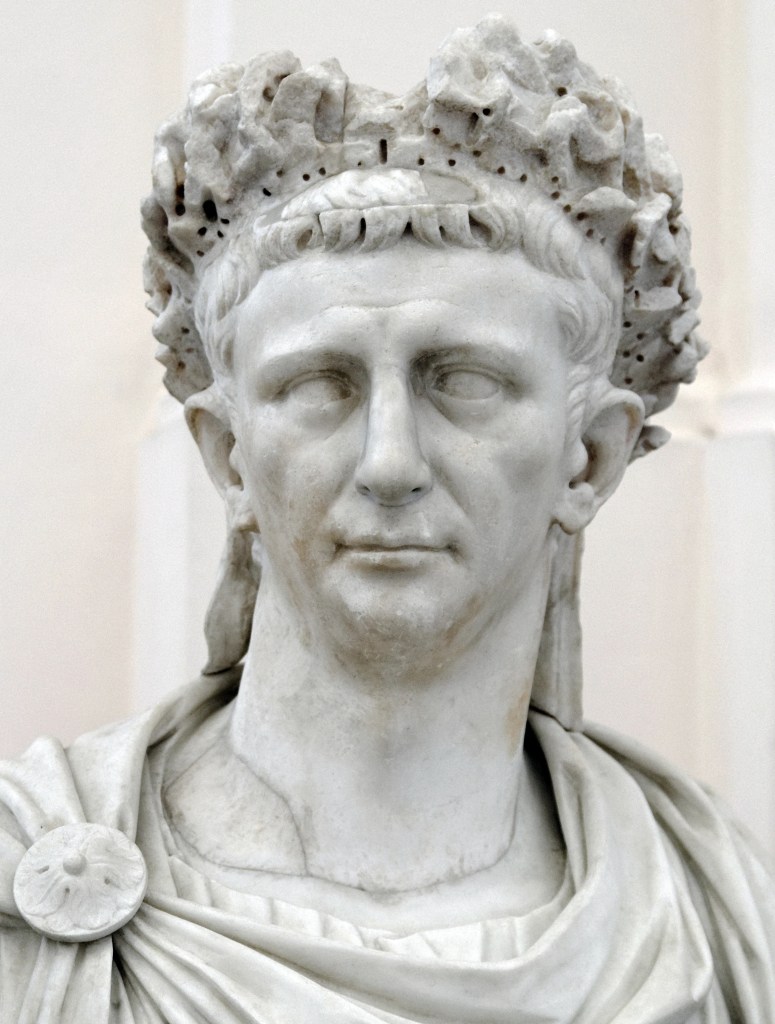
- In Acts 11:27-28, Agabus predicts a severe famine that would spread throughout the Roman world, which historically occurred during the reign of Emperor Claudius.
- In Acts 21:10-11, he dramatically prophesies Paul’s arrest in Jerusalem, taking Paul’s belt, binding his own hands and feet, and declaring “Thus says the Holy Spirit, ‘This is how the Jews in Jerusalem will bind the man who owns this belt and deliver him into the hands of the Gentiles.’”
These accounts establish Agabus as one of the few named prophets in the New Testament outside of John the Baptist and Jesus himself.
How do we get from this briefly mentioned side character to a friend of divination? The connection between Saint Agabus and fortunetelling stems from several key attributes:
- Legitimate Prophetic Gifts: Unlike many biblical passages that condemn divination, Agabus represents sanctioned prophecy within the Christian tradition. His predictions came true, giving him credibility.
- Physical Divination Methods: His dramatic use of Paul’s belt as a physical object to demonstrate his prophecy resembles certain divination practices that use physical items to reveal future events.
- Practical Predictions: Agabus’s prophecies dealt with practical matters—famine and personal danger—similar to the concerns many bring to fortune tellers.
- Liminal Position: As a figure who bridges the gap between divine revelation and practical foreknowledge, Agabus occupies a space that resonates with many practitioners of divination.
Time for some intellectual honesty: there is an admitted distinction between biblical prophecy and contemporary divination. The former typically involves unsolicited divine messages with high moral and spiritual stakes, whereas your average tarot reader is satisfying a client’s curiosity and personal needs. However, folk tradition, like daily life, is rarely hampered by such rational trivialities. In lived reality, divination practitioners of all kinds have found in Agabus a figure who validates their work within a Christian framework, suggesting that foreknowledge itself is not forbidden, only certain methods or intentions.
Contemporary Relevance
For modern fortunetellers with Christian backgrounds, Saint Agabus offers a potential reconciliation between their faith and practice. His example suggests that:
- Prophecy can serve community needs, with the example of his first prophecy leading to charitable preparation
- Foreknowledge can help individuals prepare for challenges, as with his warning to Paul
- Prophetic gifts can coexist with devout faith, with no better example than one of Christianity’s first followers serving in the sacred role of fortuneteller
Whether viewed as a historical curiosity or a spiritual patron, Saint Agabus represents an intriguing intersection between official religion and folk practices. His biblical role as a prophet who accurately foretold future events has made him a natural patron for those who seek to practice divination within a Christian context.
Those who seek his spiritual presence and patronage can do so in any number of ways, including an invocation to Saint Agabus at the beginning of a divination reading, the prominent display of his image with your reading tools or alter, and the celebration of his feast day, February 13th. And as the robust culture around folk Catholicism (and it’s 10,000 saints) would suggest, any ritual-loving Catholic can provide a myriad of alternative methods for seeking patronage as well, from the nine-day prayer recitation known as a novena, to the lighting of a dedicated candle in a local church or cathedral.
By the way, for those who like his memory without the baggage of organized religion, Sibyl promises that no one will know if you, irreverent seekers and non-Christians alike, whisper a little prayer just to see if Saint Agabus is listening. Sibyl is, herself, the furthest thing from a traditional Catholic, but even she has chatted with Saint Agabus a time or two, to much avail.
For those acolytes of Sibyl who practice divination arts, Saint Agabus offers something rare: a biblically-documented figure whose gifts of prophecy were recognized and respected within the early Christian community, a potential bridge between worlds often seen as irreconcilable. For those of us who don’t need or want such a bridge, and find their Truth in the irreconcilable, you too are welcome to sit a spell. Saint Agabus awaits a conversation, by way of tarot reading or prayer or meditative journey.


Leave a comment