Tag: #tarot
-
Sacred Monstrosity: Facing Inner Darkness with Myth (+ Journal Prompts & Tarot Spread)
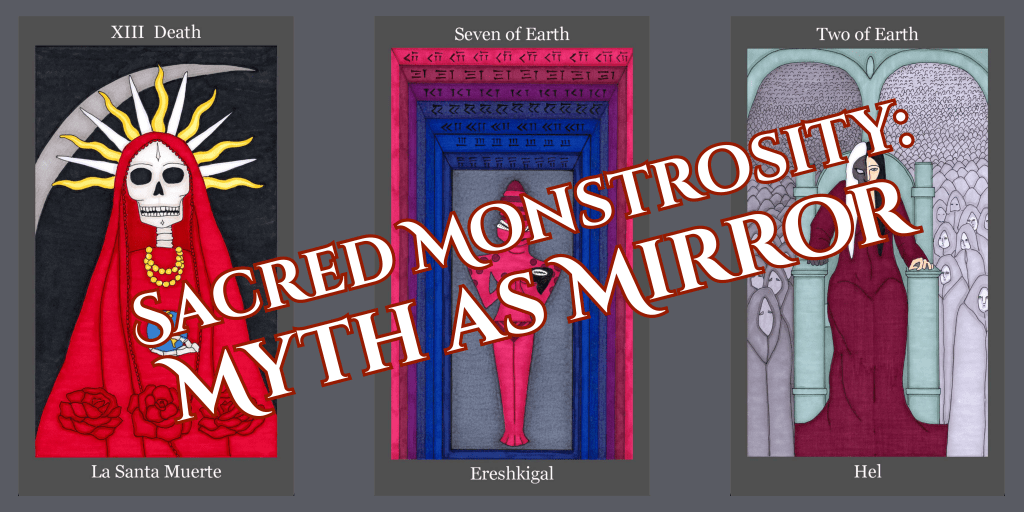
As the season of monstrosity continues, we have a second musing on this theme, contemplating the journey to integrating the grotesque, gruesome, dreadful image we find in the mirror. (You can find the first pass here. This week, we specifically invite myth to function as that mirror. What breadth of god and goddess archetypes support…
-
Monstrosity and Wholeness with Tarot: The Gifts of the Disowned Self (+ Journaling Prompts & Tarot Spread)
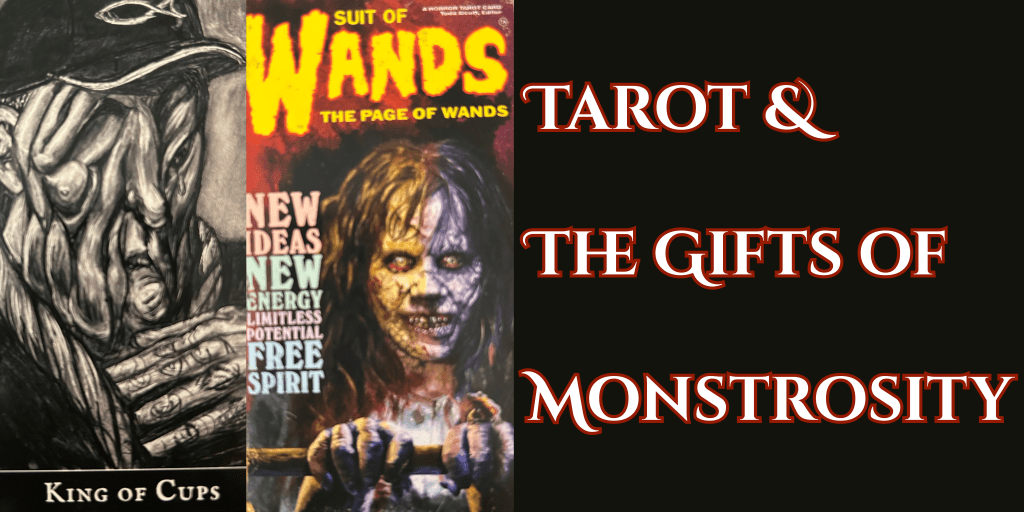
It is the season for celebrating monsters, or so the greeting cards say. And so here we are, considering the mask of the monstrous: what it is, why it serves us, and how to heal by embracing it. I’ve mused before about my own journey with my patroness Medusa, the powerful and dreadful, and also…
-
Transforming Rage with Tarot: A Guide to Inner Wisdom (+ 2 Spreads)

The post explores using tarot and oracle cards to navigate anger as a valuable emotion rather than a negative one. It emphasizes understanding the messages behind anger, working with various card spreads, and developing a personal “anger vocabulary.” Strategies for transforming anger into positivity, clarity, and compassion are also discussed.
-
Tarot for Navigating Anger & Rage: Journaling Prompts & Tarot Spread
The post discusses the significance of anger as a transformative emotion and how tarot can aid in understanding it. By exploring specific cards like The Emperor, Strength, and The Tower, readers can navigate their feelings constructively. Combining card work with journaling promotes emotional healing and deepens insight into personal anger and its roots.
-
Inner Child Healing with Fairy Tales and Tarot

The human psyche thrives on stories that connect to deeper emotions, particularly regarding inner child healing. Integrating fairy tales and tarot facilitates understanding childhood wounds and fosters transformation. By exploring personal narratives through tarot symbolism, individuals can reconnect with their authentic selves, addressing trauma while embracing creativity, resilience, and joy.
-
Harnessing Medusa’s Transformative Magic: A Guide for Tarot Practitioners
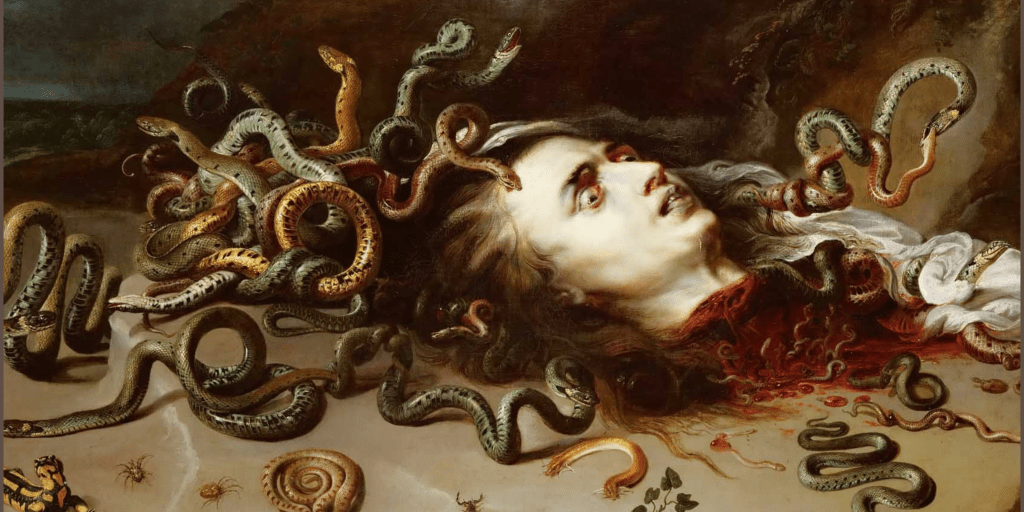
Medusa, often misunderstood as a monster, is reclaimed in modern spirituality as a powerful goddess symbolizing protection, transformation, and divine feminine rage. Her energy acts as a protective mirror, aiding in uncovering truths and navigating healing. Utilizing tarot and divination fosters connection with her transformative wisdom, guiding practitioners through spiritual growth.
-
The Legend of Pope Joan: From Scandal to Tarot Icon (+ 5-Card Spread)
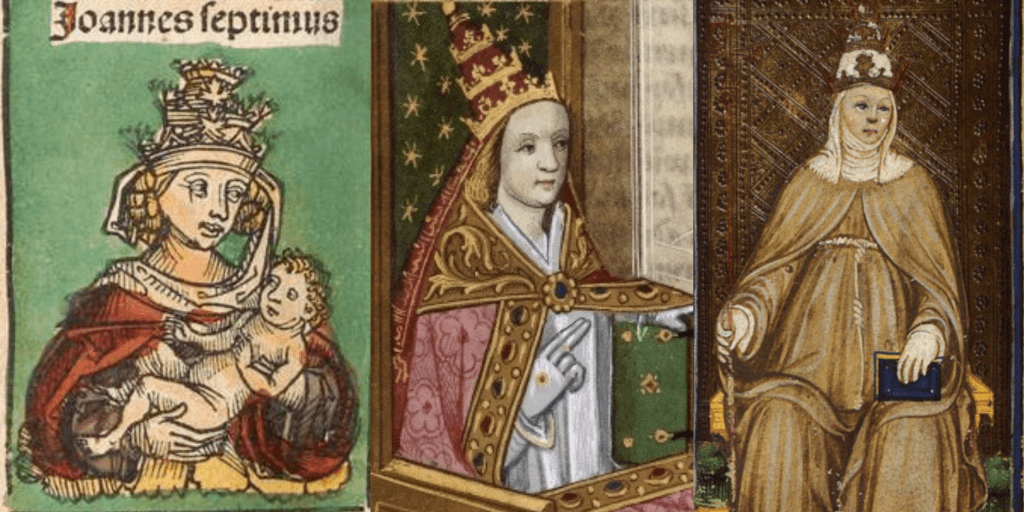
The High Priestess card in tarot, the inheritor of the medieval deck’s Papess, symbolizes ancient wisdom and feminine intuition, with origins linked to the legend of Pope Joan, a woman who disguised as a man to become pope. Over centuries, this figure transformed from a scandalous tale into a powerful archetype representing hidden knowledge and…
-
How Tarot & Oracle Art Nourishes Your Spirit (With Bonus 5-Card Spread)
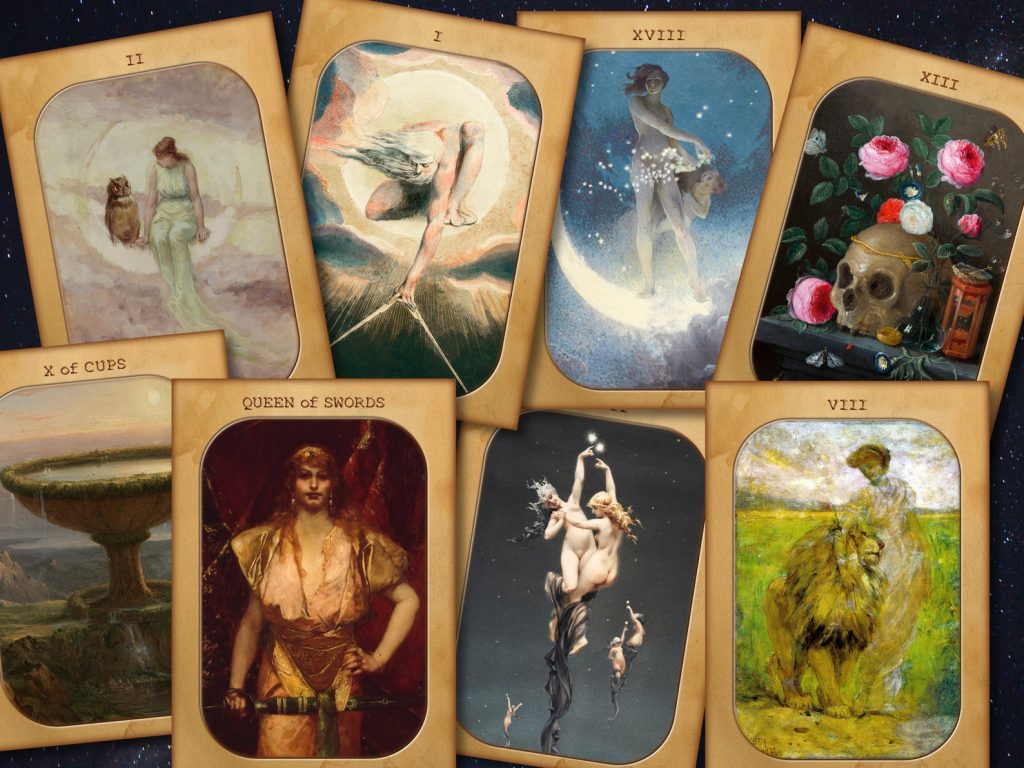
Visual art, particularly through tarot and oracle decks, nourishes spiritual and psychological needs, fostering self-discovery and creativity. The article emphasizes the transformative power of engaging with art in daily life.
-
Ancient Divination, Epic Journeys, & New Offerings for Curious Parties (+ a Bonus Tarot Spread!)
Sibyl’s Lab of Cartomantics introduces its Cabinet of Cartomantic Curiosities, inviting exploration of divination’s historical role in adventures. Reflecting on ancient Greek and Norse practices, the significance of spiritual guidance before embarking on journeys is emphasized. The content concludes by encouraging modern seekers to utilize a tarot spread for insight before their quests.
-
Fate, Fortune, and the Ivy League in Leigh Bardugo’s Ninth House: Fortunetelling & Fiction Series
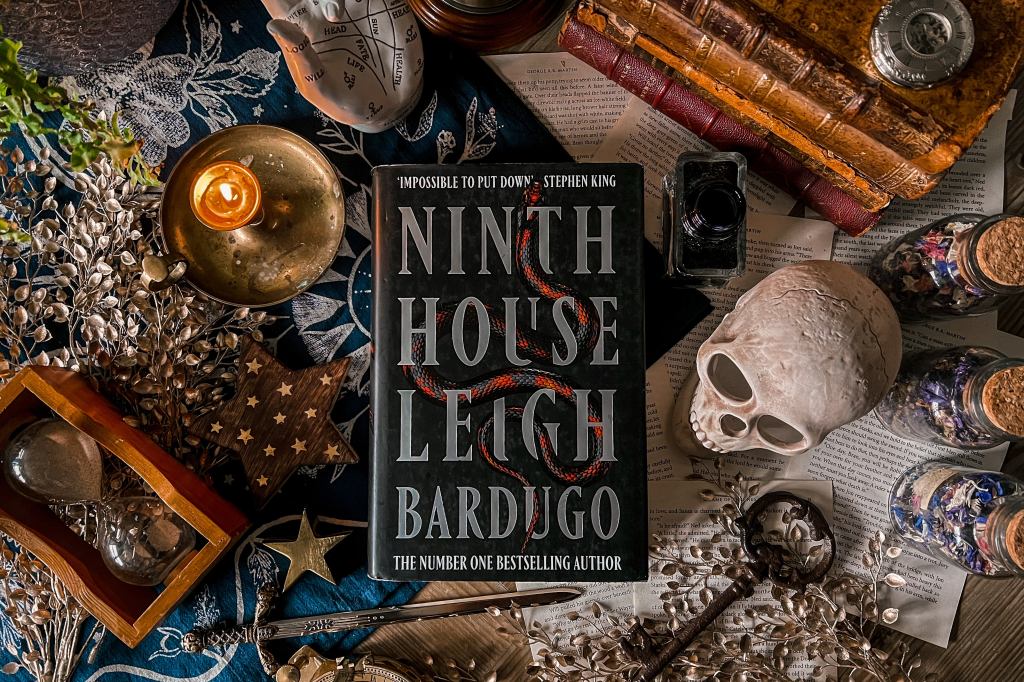
The fifth post in the “Fortunetelling & Fiction” series examines Leigh Bardugo’s “Ninth House,” focusing on its incorporation of tarot within secret societies at Yale. The novel explores themes of privilege, power, and determinism, using tarot as both a narrative tool and a symbol of systemic control, reflecting broader societal inequalities.
 Sibyl's Lab of Cartomantics