Tag: literature
-
The Psychopomp Archetype in Fairy Tales, Folklore, and Tarot
This week, the focus is on the archetype of the psychopomp, a guide that assists souls through transitions such as life and death. This figure appears in mythology and tarot as a mediator between worlds, helping navigate change and loss. Understanding psychopomps highlights humanity’s need for guidance during profound transformations.
-
Divining the Underworld with Hades, Persephone, & Hel: Myth & the Gothic Series
This post explores the connections between Gothic literature and mythology, focusing on divine figures like Hades, Persephone, and Hel. These deities embody complex themes of death, transformation, and moral ambiguity that resonate within Gothic narratives. The ongoing series promises to uncover more mythological examples, highlighting their significance in examining the human experience.
-
The Monster-Maker as Fortuneteller: Frankenstein & Gothic Divination
The post connects Mary Shelley’s work to fortunetelling, illustrating the dangers of seeking forbidden knowledge through Victor Frankenstein’s hubris. A tarot spread is suggested to explore personal ambitions and responsibilities.
-
Divination & Dystopia (Part 2): Tarot Spreads, Reading Strategies, & Journal Prompts
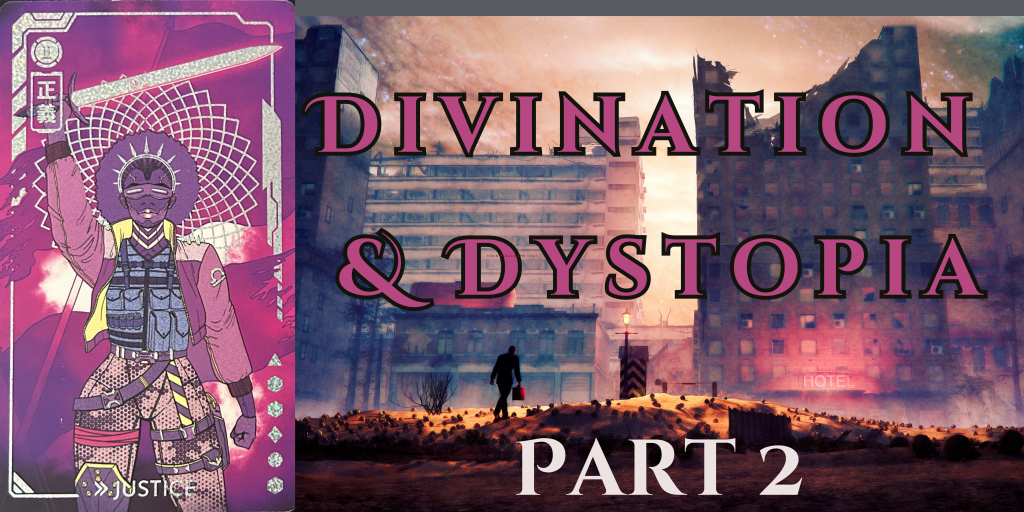
This content discusses using tarot to explore dystopian themes, offering two tarot spreads aimed at understanding dystopian situations and resistance. It emphasizes the importance of journaling alongside tarot readings to process insights and engage with pressing societal issues. The practice fosters awareness, agency, and hope in uncertain times.
-
Divination & Dystopia (Part 1): Tarot for Difficult Realities & Dark Future + 2 Spreads

The dystopian genre warns about society’s future, addressing power, control, and resistance through narratives like Orwell’s 1984 and Atwood’s The Handmaid’s Tale. This post explores blending tarot reading and journaling to reflect on these themes, enhancing understanding of both personal experiences and dystopian literature. Tarot cards symbolize archetypes relevant to societal issues.
-
Sacred Monstrosity: Facing Inner Darkness with Myth (+ Journal Prompts & Tarot Spread)
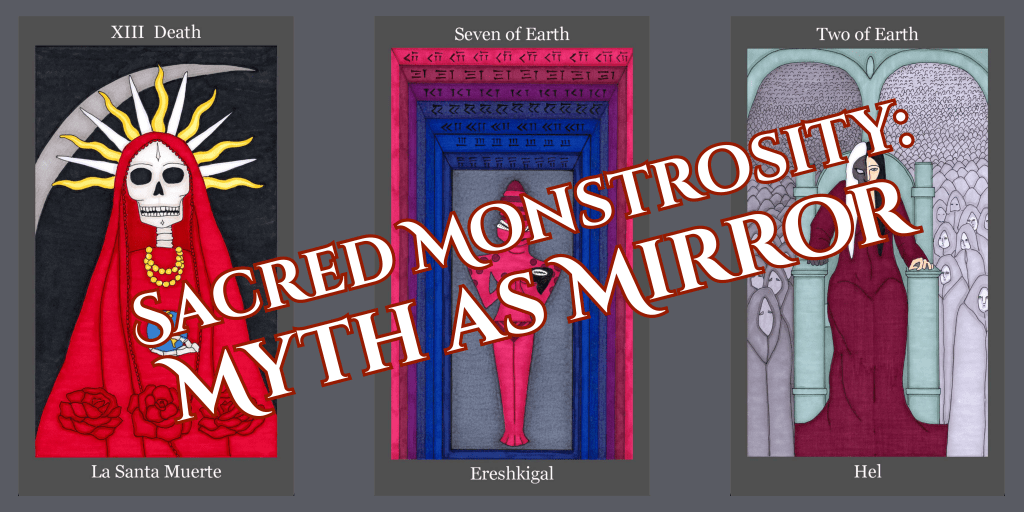
As the season of monstrosity continues, we have a second musing on this theme, contemplating the journey to integrating the grotesque, gruesome, dreadful image we find in the mirror. (You can find the first pass here. This week, we specifically invite myth to function as that mirror. What breadth of god and goddess archetypes support…
-
Inner Child Healing with Fairy Tales and Tarot

The human psyche thrives on stories that connect to deeper emotions, particularly regarding inner child healing. Integrating fairy tales and tarot facilitates understanding childhood wounds and fosters transformation. By exploring personal narratives through tarot symbolism, individuals can reconnect with their authentic selves, addressing trauma while embracing creativity, resilience, and joy.
-
Fate, Fortune, and the Ivy League in Leigh Bardugo’s Ninth House: Fortunetelling & Fiction Series
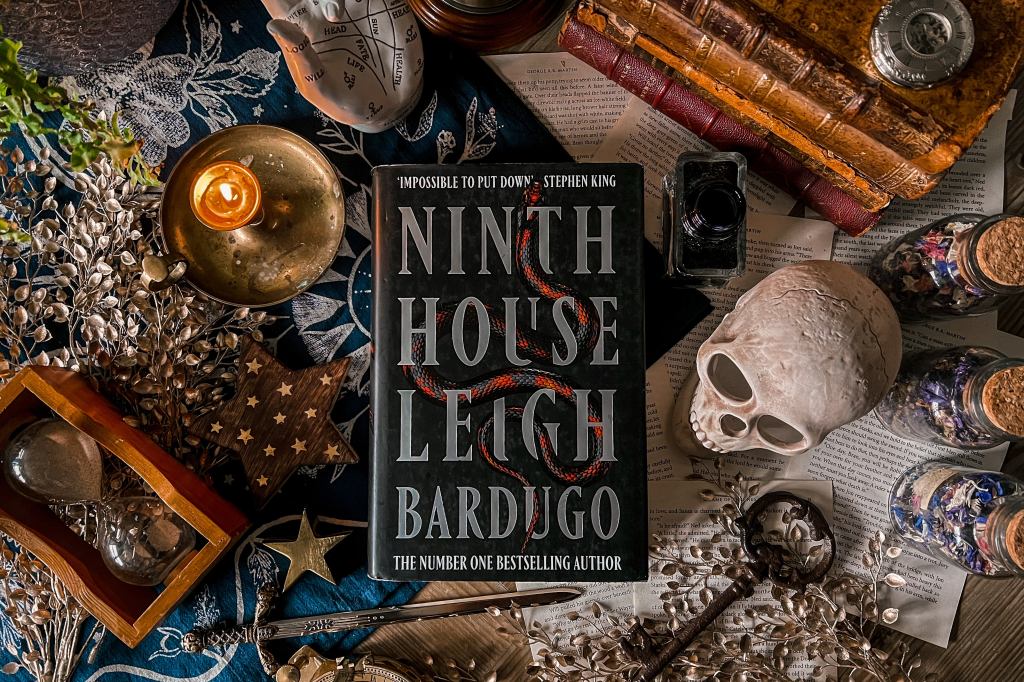
The fifth post in the “Fortunetelling & Fiction” series examines Leigh Bardugo’s “Ninth House,” focusing on its incorporation of tarot within secret societies at Yale. The novel explores themes of privilege, power, and determinism, using tarot as both a narrative tool and a symbol of systemic control, reflecting broader societal inequalities.
-
The Divinatory Architecture of Time in Kate Mosse’s “Sepulchre”: Fortunetelling & Fiction Series
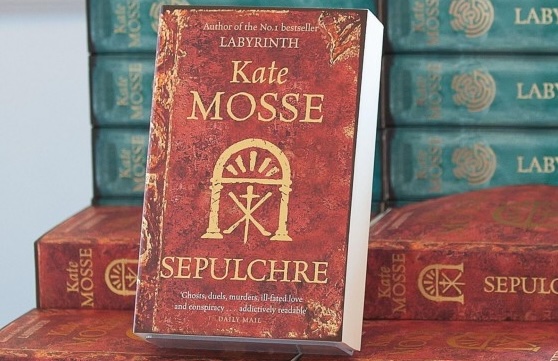
This post discusses Kate Mosse’s Sepulchre, examining tarot’s intricate role as a structural and thematic device linking narratives from 1891 and 2007. It explores how tarot illuminates themes of history, identity, and inheritance, positioning it as both a narrative tool and a means of uncovering deeper truths about human experience.
-
Tarot, Class, and Magic in Susanna Clarke’s “Jonathan Strange & Mr. Norrell”: Fortunetelling & Fiction Series
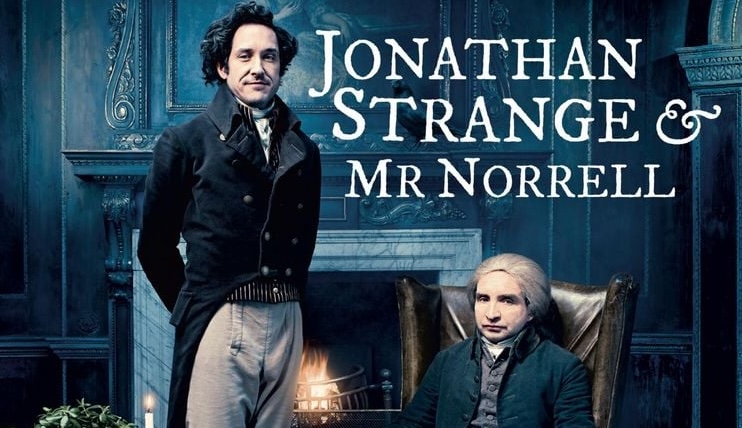
This post is the third in a series exploring the integration of tarot and fortune-telling in literary fiction, focusing on Susanna Clarke’s Jonathan Strange & Mr. Norrell. It examines how tarot reflects class divisions and contrasts institutional magic with intuitive practices, while connecting to themes of knowledge, prophecy, and cultural memory in magical contexts.
 Sibyl's Lab of Cartomantics