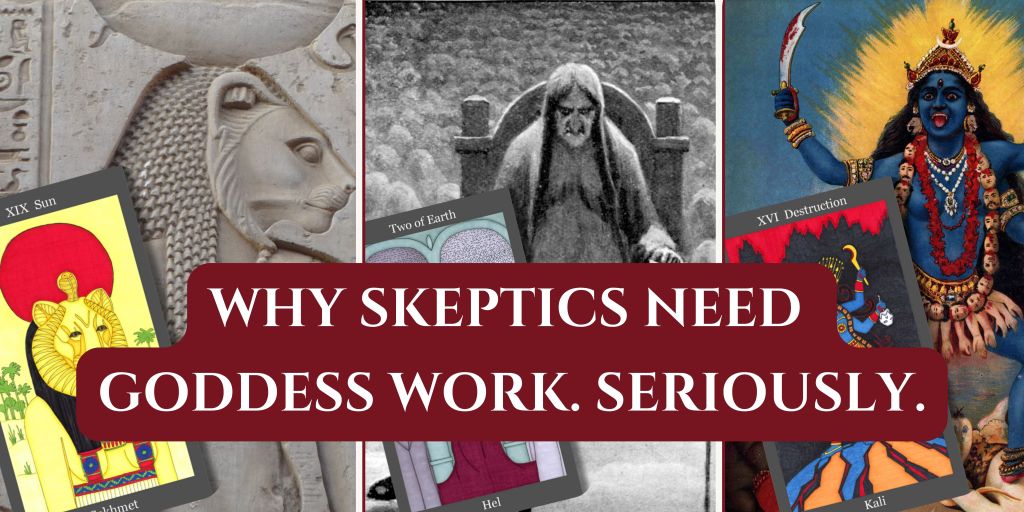
As I posted our new workbook on tarot and the Dark Mother in our Etsy shop, I had to think about who in the ever-loving woo would be as interested as I am in diving into this kind of work. And, perhaps more crucially, who would very much be uninterested—even profoundly skeptical—of doing this kind of divination and myth work.
In other words words, I couldn’t help but think of you, my dear skeptic. And look, we get it. You’re interested in tarot as a psychological tool, maybe even a creative prompt for self-reflection, but you draw the line at invoking ancient deities. The moment someone starts talking about “channeling Kali’s energy” or “calling upon the Dark Mother,” your bullsh*t detector starts pinging.
Here’s the thing, though: you’re not wrong to be skeptical of performative mysticism and $80 goddess candles. But you might be wrong about dismissing the actual work that dark goddess archetypes can do in your divination practice.
Because here’s what working with Kali, Hel, and Sekhmet through tarot actually is: it’s a structured framework for confronting the parts of yourself and your life that you’ve been meticulously avoiding. It’s shadow work with a roadmap. It’s permission to stop being nice to yourself and start being honest instead.
And you don’t have to believe in a single supernatural thing for it to absolutely wreck you in the best possible way.
The Mothers You’ve Been Avoiding
Let’s talk about who these dark goddesses actually are, not as literal entities you need to believe in, but as archetypal forces that show up whether you acknowledge them or not. Meet three of the six that show up in the workbook:
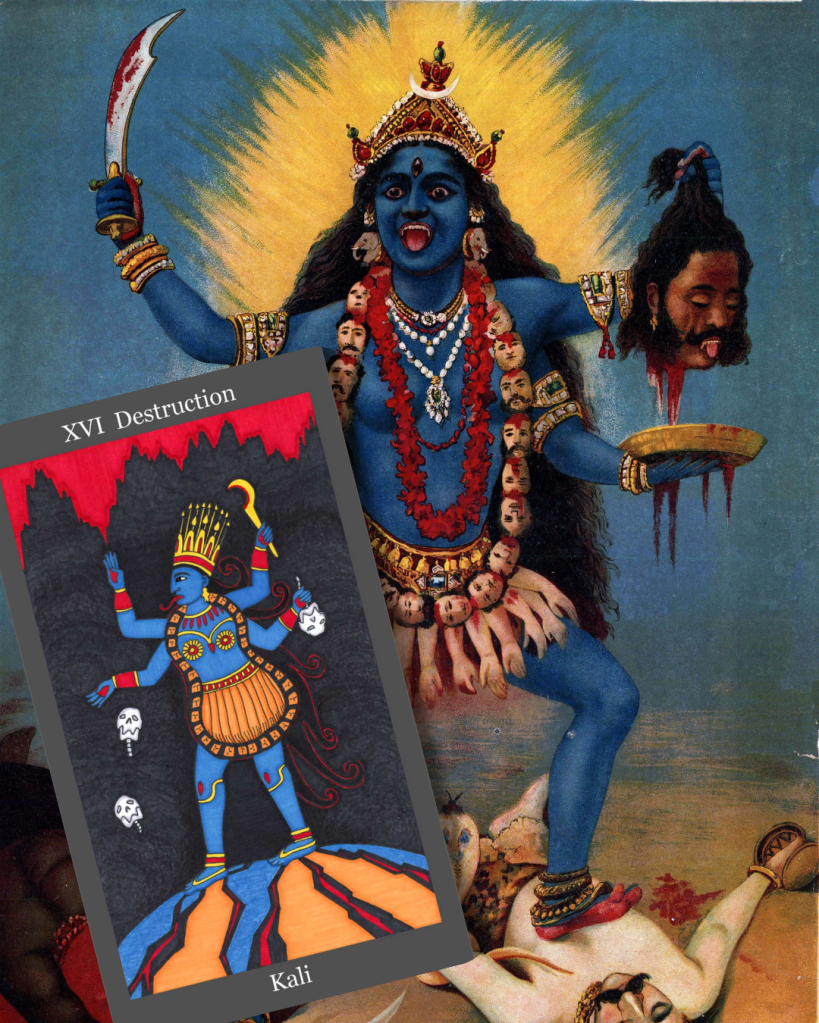
Kali is the Hindu goddess of destruction, time, and transformation. She’s typically depicted wearing a necklace of skulls and a skirt of severed arms, dancing on her consort Shiva’s chest, tongue out, wild eyed. Subtle, she is not. Kali represents the necessary demolition of illusions, the ego death that precedes real growth, and the uncomfortable truth that sometimes things need to burn down completely before they can be rebuilt. She’s what happens when you finally admit that the relationship is over, the career is wrong, the belief system is bankrupt.
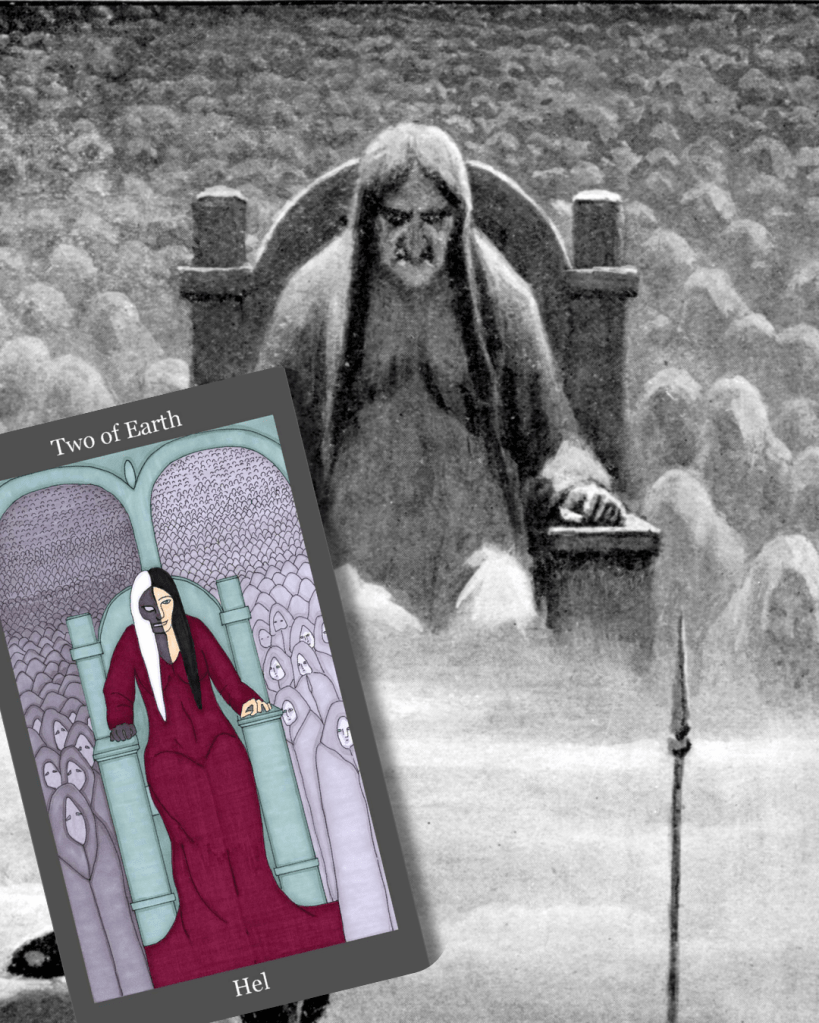
Hel is the Norse goddess who rules over the realm of the dead, specifically the realm for those who died of illness or old age rather than in battle. She’s often described as half living, half corpse, embodying the reality that death and life exist simultaneously. Hel is about boundaries, acceptance of natural endings, and the wisdom that comes from sitting with what cannot be changed or fixed. She’s the goddess of “this is just how it is,” which is possibly the most difficult spiritual teaching there is.
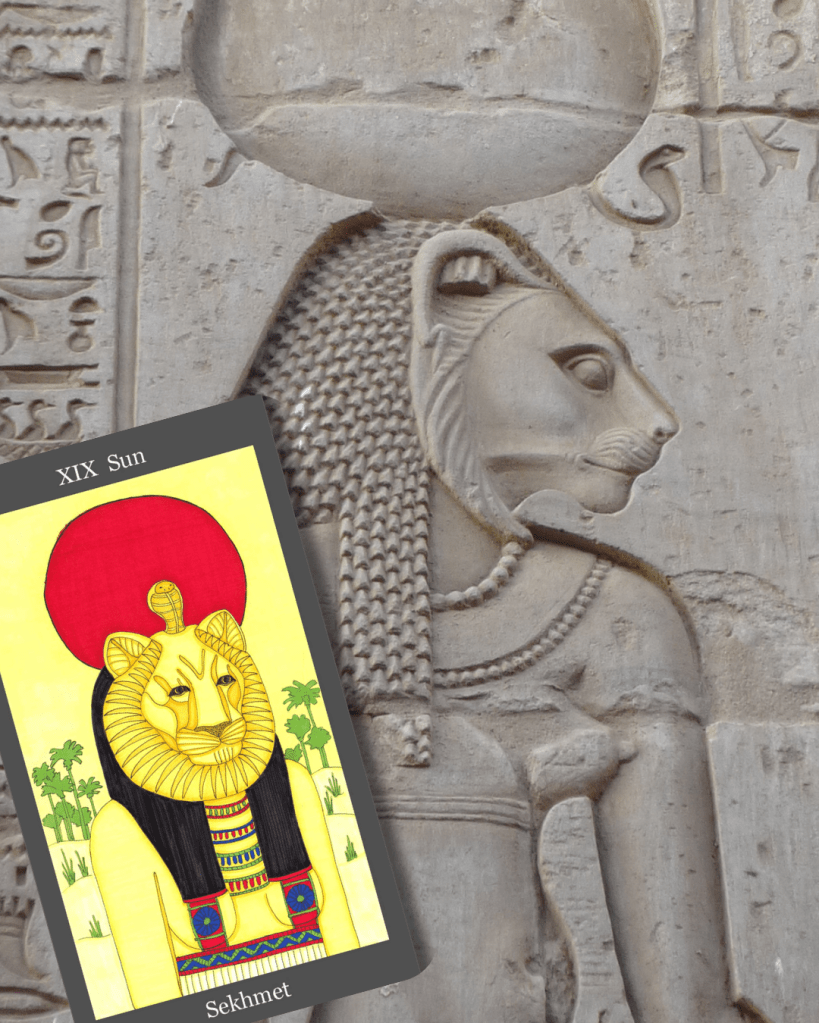
Sekhmet is the Egyptian goddess with a lioness head who was sent to punish humanity and got so into the violence that the other gods had to trick her into stopping by getting her drunk on beer dyed to look like blood. She’s simultaneously the goddess of plague and healing, representing the idea that destruction and medicine come from the same source. Sekhmet is about fierce protection, righteous rage, and the alchemical process of transmuting your most destructive impulses into directed power.
Notice what these goddesses have in common? They’re all about the stuff we’re culturally conditioned to avoid: destruction, death, rage, endings, uncomfortable truths. They’re the opposite of the sanitized, commodified “self-care” that tells you to just think more positively.
The Skeptic’s Secret Weapon
So why should a rational, skeptical person work with these archetypes through tarot?
Because skepticism without self-examination is just another form of denial.
The skeptical mind is excellent at dismantling other people’s illusions. It’s much worse at recognizing its own. We’re really good at seeing through spiritual bypassing in others while engaging in rationality bypassing ourselves, using logic and “being realistic” as an excuse to avoid doing hard emotional and psychological work.
Working with dark goddess energy through tarot creates a container for the kind of brutal self-honesty that the skeptical mind claims to value but often avoids when it gets uncomfortable. You don’t need to believe Kali is literally going to show up in your living room. You just need to be willing to ask yourself: What needs to die in my life right now? What am I clinging to that’s already rotting?
The tarot becomes a mirror, and the dark goddess archetype becomes the frame that lets you look at reflections you’d normally turn away from.
Here’s a practical example: Let’s say you pull the Ten of Swords (a card that typically shows a figure face-down with ten swords in their back—yeah, tarot is not subtle either). Without a framework, you might just think “well, that’s depressing” and move on. But if you’re working with Hel’s energy—the acceptance of endings—that same card becomes an invitation to ask: What’s already dead that I’m still trying to resurrect? Where am I exhausting myself trying to revive something that’s meant to stay buried?
The goddess archetype doesn’t make the card “mean” something magical. It gives you a specific lens for self-inquiry that cuts through your usual defenses.
How to Actually Do This (The Practical Bit)
Let’s get tactical about working with dark goddess energy in your tarot practice, because theory without application is just intellectual masturbation.
First, reframe “negative” cards as information, not omens. The Tower isn’t predicting disaster; it’s pointing to where your foundations are already unstable. The Three of Swords isn’t cursing you with heartbreak; it’s naming the heartbreak that’s already present. When you’re working with dark goddess energy, you’re specifically looking for these uncomfortable cards because they’re showing you where the work is.
Second, use your discomfort as data. This is where skeptics actually have an advantage. You’re already trained to notice your reactions and question them. When a card makes you uncomfortable, when a spread seems to be calling you out, when you want to dismiss the reading entirely, that’s not the cards being “wrong.” That’s your psyche showing you exactly where you’re defended. Sekhmet energy asks: What are you protecting, and is it actually worth protecting, or are you just afraid?
The goal isn’t to believe the cards are magic. The goal is to use them as a structured tool for asking yourself questions you’d otherwise avoid.
The Dark Mother Spread: A Practical Application
Here’s a five-card spread specifically designed for working with dark goddess energy. You can approach this as a skeptic using archetypal psychology or as a practitioner calling on actual deity energy; the structure works either way.
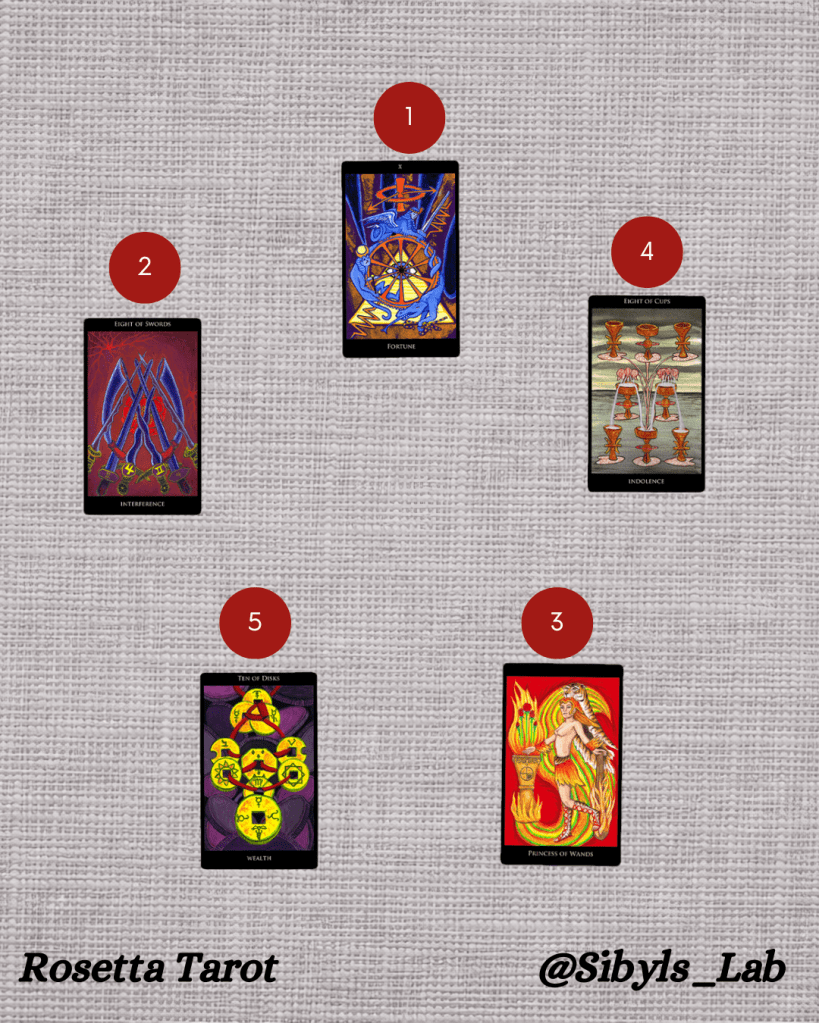
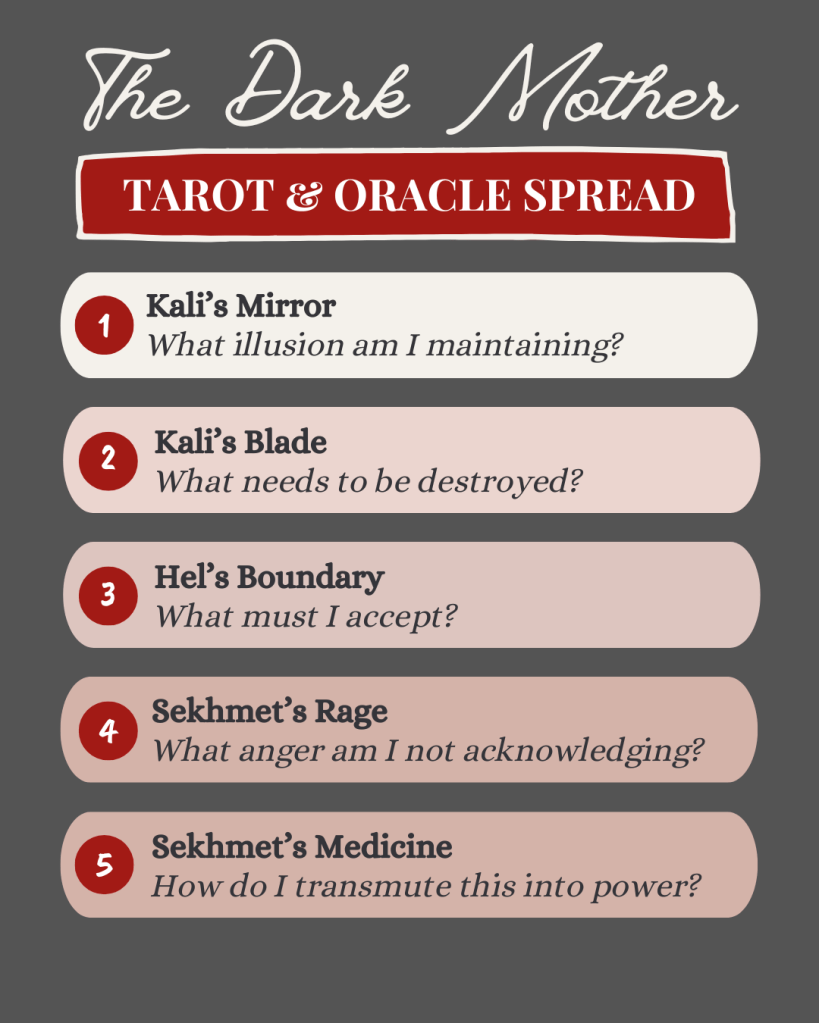
Position 1 (Kali’s Mirror): What illusion am I maintaining?
This card shows you what you’re pretending about yourself or your situation. The comfortable lie you’re telling.
Position 2 (Kali’s Blade): What needs to be destroyed?
This card identifies what actually needs to end, die, or be released. Not what you’re afraid of losing, but what genuinely needs to go.
Position 3 (Hel’s Boundary): What must I accept?
This card points to the unchangeable reality you’re struggling against. The thing that is simply true, whether you like it or not.
Position 4 (Sekhmet’s Rage): What anger am I not acknowledging?
This card reveals the fury you’re suppressing, spiritually bypassing, or turning inward. Your righteous rage that needs direction.
Position 5 (Sekhmet’s Medicine): How do I transmute this into power?
This card shows you how to alchemize everything the previous cards revealed into directed, constructive force.
Ready to Go Deeper?
If this approach resonates with you—whether you’re a skeptic curious about tarot as a psychological tool or a seasoned practitioner ready to work with darker, more challenging energies—we’ve created something specifically for you.
“Divining the Dark Mother: A Tarot Workbook for Shadow & Sovereignty” is our newly released deep-dive into working with Kali, Hel, Sekhmet, and other dark goddess archetypes through structured tarot practice. It includes reflective essays, custom spreads, journaling prompts, and devotional exercises for doing real shadow work.
It’s designed for both the rational skeptic who wants a rigorous framework for self-examination and the experienced reader who’s ready to stop pulling only “nice” cards and start doing transformative work.
You can find all of our workbooks in our Etsy shop: https://shorturl.at/0y43y
Because sometimes the most practical thing you can do is stop being reasonable and start being honest.
And sometimes that requires a goddess with a necklace of skulls to help you see clearly.
 Sibyl's Lab of Cartomantics
Leave a comment