As I continue meandering through the divination history of my own biographical landscape—with Sibyl’s blessing, of course—let’s detour to the region of my birth: the Azores, Portugal.
Ever wondered how far back fortunetelling goes in Portugal? Well, according to Sibyl, it’s pretty ancient. Portugal’s colorful tradition of fortunetelling (locally called adivinhação) stretches all the way back to pre-Roman times. Back then, Celtic and Iberian tribes were already reading the future through nature, animal behaviors, and the stars. When the Romans showed up, these local practices blended with Roman methods, creating a unique Portuguese flavor of predicting what’s to come.
Moorish Influences & the Medieval Church
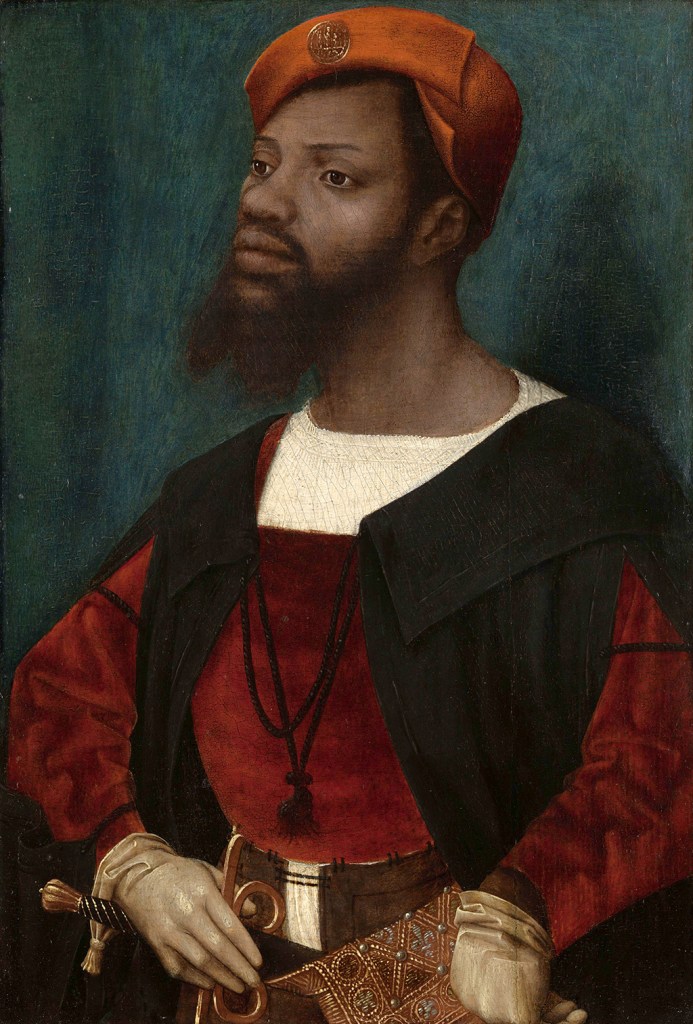
Things got really interesting during the Moorish occupation (8th-13th centuries). These Islamic scholars weren’t just bringing architecture and agriculture – they packed some serious mystical knowledge too. Advanced astrology, numerology, and early card reading methods mixed with local traditions. During this time, mourisqueiros (fortune tellers using Moorish techniques) became quite the celebrities in Portuguese society.
Wondering how the Church felt about all this? It’s (unsurprisingly) complicated. While Catholic officials officially frowned on divination as superstition or even heresy, many practices survived anyway. Some fortune tellers cleverly incorporated Christian elements, while others just operated in rural areas where the Church couldn’t keep tabs on them.
The Azores & Nature-Based Predictions
When Portuguese settlers reached the Azores in the 15th century, they brought their crystal balls (figuratively speaking) with them. But here’s where it gets cool – the isolation of these remote Atlantic islands and their wild volcanic landscapes led to unique twists on mainland fortunetelling.
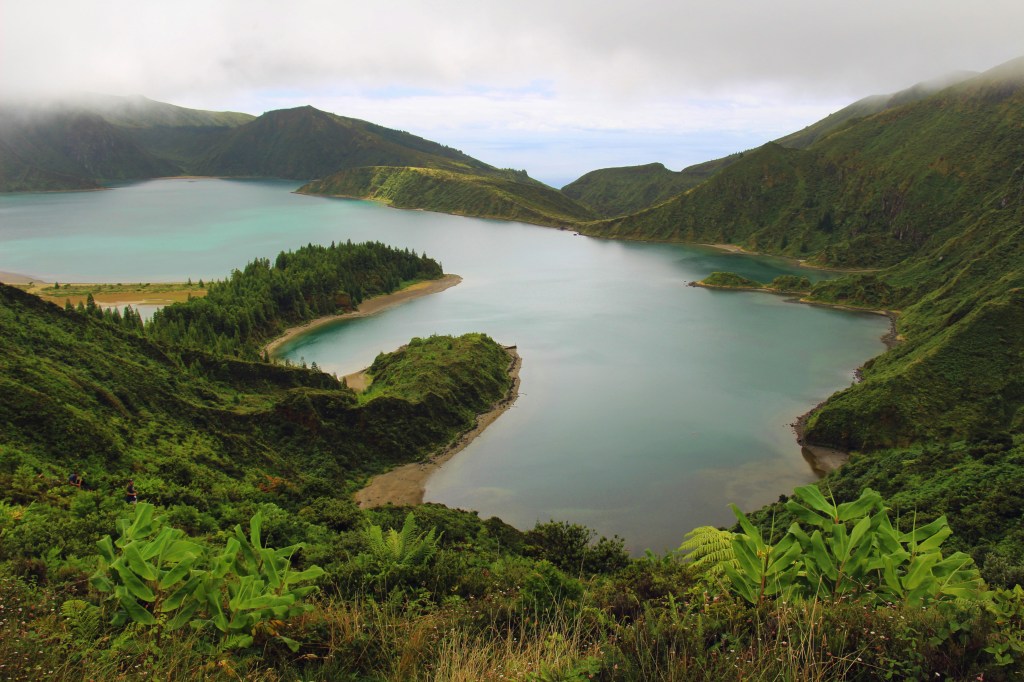
The islands became hotspots for water divination and weather prediction – crucial skills when you live surrounded by ocean. On islands like São Miguel and Terceira (my birthplace!), they developed their own special forms of tea leaf reading (borra de chá) with symbols that made sense for island life.
Roma Influences & Colonial Exchange
The 16th century brought a game-changer – Roma (Gypsy) communities arrived in Portugal with tarot and playing cards! Card reading caught on like wildfire. The ciganas (Roma fortune tellers) became legendary figures, telling fortunes at markets and fairs across Portugal and eventually making their way to the Azores, too.
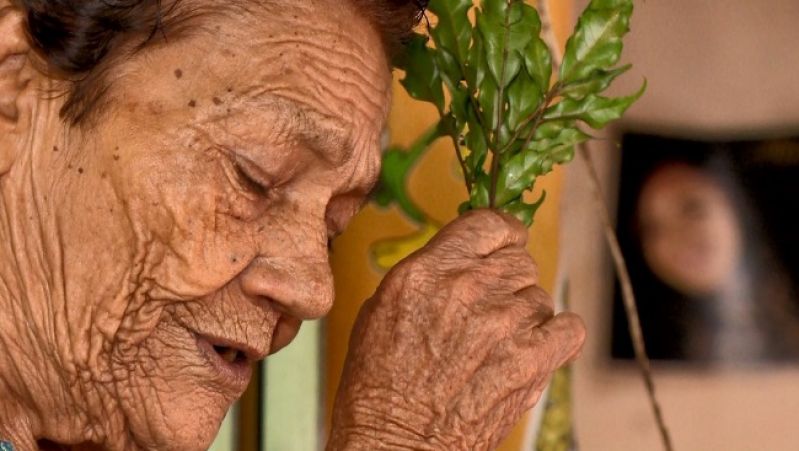
Alas, we arrive at Portugal’s colonial empire, which created a two-way street of mystical traditions. By the 18th and 19th centuries, Brazilian practices incorporating African and indigenous divination were flowing back to Portugal and the Azores. This cross-cultural exchange created fascinating hybrid practices like benzeduras – blessing rituals with a fortune-telling twist.
Suppression, Resistence, & Revival
Not everyone was a fan of fortunetelling, though. The Inquisition (active until 1821!) and later governments went after fortune tellers pretty hard. During the Estado Novo dictatorship (1933-1974), fortunetelling was actually banned as “primitive superstition.” But did that stop the practice? No way! It just went underground, especially in rural communities and on remote Azorean islands like Corvo and Flores.
Since Portugal’s 1974 revolution brought democracy back, there’s been a major revival of traditional fortunetelling. These days, it’s both a living practice and recognized cultural heritage. There’s even an annual “Feira das Bruxas” (Witches’ Fair) in Montalegre celebrating these traditions, while Azorean museums showcase island-specific divination methods.
Walk around modern Portugal and the Azores, and you’ll find traditional card readers, palm readers, and coffee grounds interpreters (borras de café) working alongside modern practitioners offering tarot, astrology, and numerology. In the Azores, eco-tourism has even sparked new interest in traditional weather divination and herbal fortune-telling unique to the islands.
Conclusion: A Living Tradition
So what does all this tell us? The story of fortunetelling in Portugal and the Azores isn’t just about predicting the future – it’s a mirror reflecting the broader cultural currents of Iberian life. It’s this amazing mix of ancient wisdom, diverse cultural influences, religious tensions, and incredible persistence despite official opposition.
Far from being just superstition, these practices represent an unbroken thread of folk wisdom and cultural identity that’s still evolving today. Next time you’re in Portugal or the Azores, why not get your fortune told? You’ll be participating in a tradition that’s survived centuries of change.

 Sibyl's Lab of Cartomantics
Leave a comment