Have you ever wondered how people across the Caribbean islands have sought to peek into the future? It’s a fascinating story that weaves together so many cultural threads. The Caribbean’s fortunetelling traditions aren’t just about predicting what’s coming next—they’re living testaments to the region’s incredible cultural resilience and creativity.
What makes Caribbean divination so unique is how it blends African spirituality, European influences, indigenous Taíno wisdom, and even East Indian practices. Let’s take a journey through this colorful tapestry of traditions that continue to shape Caribbean identity today.
African Roots: Obeah, Vodou, Santería, & Ifá
When millions of Africans were forcibly brought to the Caribbean during the slave trade, they didn’t arrive empty-handed. They carried powerful spiritual traditions that would become the backbone of Caribbean divination practices.
Ever heard of Obeah? In Jamaica and other British islands, it became both a spiritual practice and a way to resist oppression. Obeah men and women weren’t just fortunetellers—they were community figures who could supposedly communicate with spirits and glimpse future events. Alongside this emerged Myalism, which focused more on healing and protection through various divination methods.
Haiti’s Vodou is probably one of the most misunderstood spiritual systems in the world. Far from the Hollywood stereotypes, it’s a complex religion with fascinating divination practices. Vodou practitioners connect with spirits (lwa) through card reading, interpreting dreams, and sometimes through ritual possession. One of the most intriguing practices is “looking in the water” (gade nan dlo), where priests gaze into water to receive visions from the spirit world.
Over in Cuba, Puerto Rico, and the Dominican Republic, the Yoruba traditions from West Africa evolved into what we now call Santería. At its heart is Ifá divination, where priests (babalawos) use special chains (opele) or palm nuts (ikin) to communicate with Orunmila, the wisdom deity. The patterns that appear are matched to stories from the Odù corpus—think of it as a spiritual encyclopedia that guides interpretation.
European Influences: Caribbean Cartomancy & Syncretizing Saints
When European colonial powers arrived, they didn’t just bring guns and diseases—they brought their own divination practices that would mix and mingle with existing traditions. Did you know that playing cards and tarot readings came to the Caribbean through Spanish and French influences? Local practitioners didn’t just adopt these methods; they transformed them, creating uniquely Caribbean styles that often blend elements from multiple spiritual traditions.
Here’s where things get really interesting. When enslaved people were forced to convert to Catholicism, they cleverly disguised their African deities as Catholic saints. This created some truly unique divination systems where someone might use Catholic prayer cards for a reading while actually invoking the power of African spirits!
Indigenous Imprints: Taíno Contributions
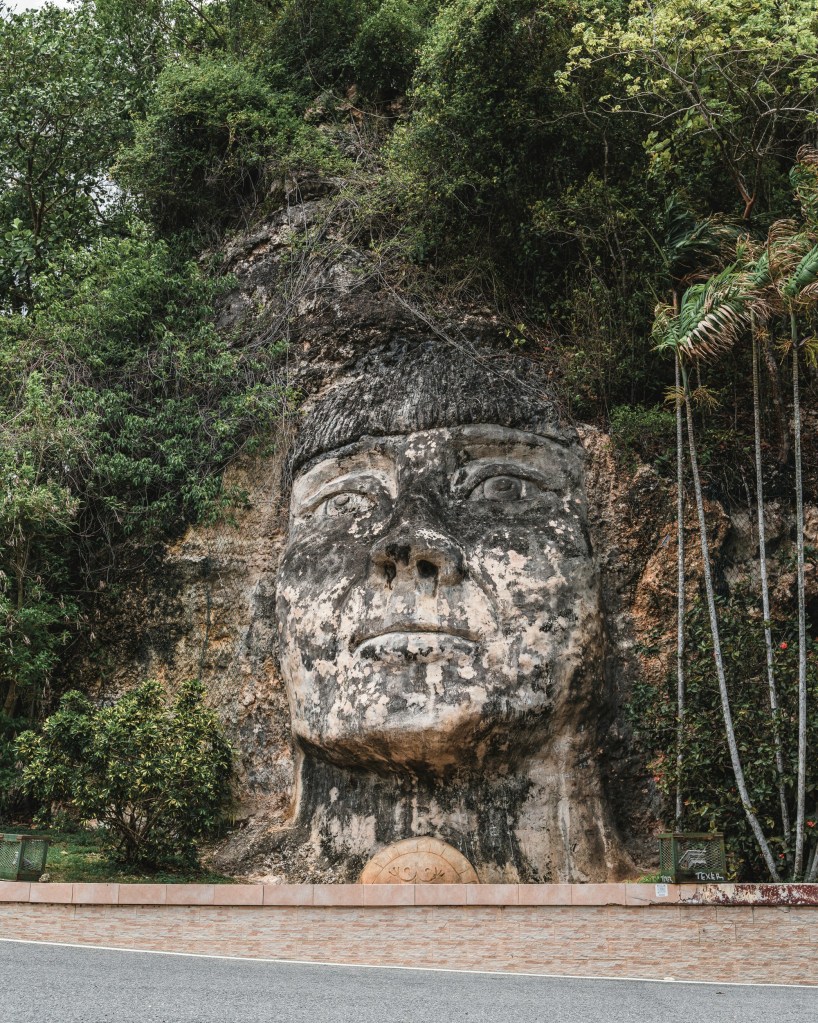
The original inhabitants of many Caribbean islands, the Taíno people, were nearly wiped out by European conquest. But their spiritual practices didn’t completely disappear. Taíno shamans (called behiques) had their own powerful divination rituals, Cohoba ceremonies. They used a hallucinogenic snuff called cohoba to connect with spirits (cemís) and predict everything from weather patterns to community decisions. The Taíno belief in meaningful dreams significantly influenced how Caribbean people view dreams today.
(East) Indian Impacts: Indentured Servants’ Traditions
After slavery was abolished, another cultural influence arrived with indentured laborers from India, bringing yet more flavors to the Caribbean’s spiritual stew. Among these, we find Jyotish, or Vedic astrology, and Obeah-Puja syncretism.
In places like Trinidad, Guyana, and Suriname, where large Indo-Caribbean communities settled, Indian astrological traditions took root. Birth chart readings and timing important events according to astrological calculations became part of the broader Caribbean divination landscape.
One of the most fascinating developments happened in Trinidad and Guyana, where Obeah practices blended with Hindu rituals. These cross-cultural divination methods show just how adaptable and fluid Caribbean spirituality can be.
Contemporary Practices and Cultural Significance
So what’s happening with Caribbean fortunetelling today? It’s alive and well, though it exists in many different forms. Not least among these is the tourist commercialization of divination, as robust throughout the archipelago as what we find in a New Orleans psychic spread. If you’ve vacationed in the Caribbean, you might have seen fortunetellers offering readings to tourists. This ranges from deeply authentic traditional practices to more commercialized versions designed to meet visitors’ expectations of what “Caribbean mysticism” should look like.
Many communities are working hard to preserve traditional divination practices as part of their cultural heritage. There are organizations throughout the region documenting these traditions and teaching younger generations the ancient methods.
As Caribbean people have migrated around the world, they’ve taken these practices with them. You can find Caribbean divination traditions evolving in communities from London to New York to Toronto, creating new connections and exchanges.
A Resilient Spirituality
These traditions didn’t survive without a fight. They’ve faced serious obstacles throughout history. For anyone familiar with the complex history of Western imperialism, there aren’t too many surprises here. European colonizers often criminalized African-derived spiritual practices. Did you know that laws against “obeah” and “witchcraft” stayed on the books well into the 20th century in many Caribbean countries? Practitioners had to take their divination underground to keep it alive. Both Catholic and Protestant churches frequently opposed traditional fortunetelling, creating complex tensions for people who identified both as Christian and as practitioners of traditional divination. Despite all these challenges, Caribbean divination practices have shown incredible staying power. They’ve adapted and evolved while maintaining their essential connections to African, European, indigenous, and Asian roots.
Conclusion
When you look at fortunetelling in the Caribbean, you’re really looking at the region’s complex history and multicultural identity. These aren’t just quaint superstitions—they represent cultural resistance, spiritual continuity, and creative adaptation in the face of tremendous oppression.
As Caribbean communities continue to navigate questions of identity and heritage, these divination practices serve as important cultural anchors, connecting present generations to ancestral wisdom while evolving to meet contemporary needs.
From the Obeah practitioner in a rural Jamaican village to the Santería priest in Miami’s Little Havana, Caribbean fortunetellers continue to provide meaning, guidance, and cultural connection across the region and its far-flung diaspora. Their persistence speaks to our universal human desire to make sense of the unknown—and to the Caribbean’s special genius for cultural blending and adaptation.

 Sibyl's Lab of Cartomantics
Leave a comment